
“As a child they said I was autistic, but I understood artistic, and so I dedicated myself to
this.” – Jesusa Rodríguez
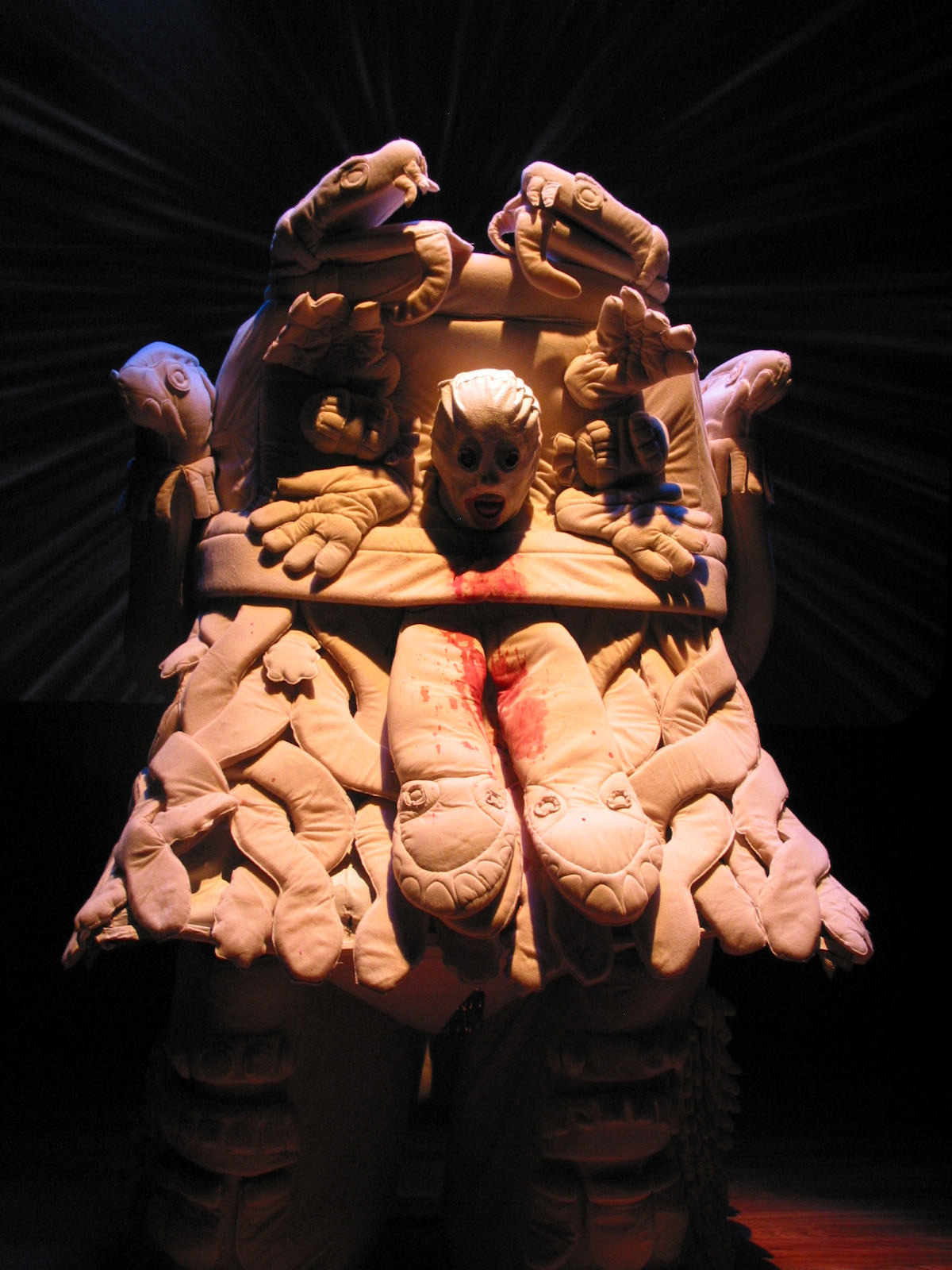
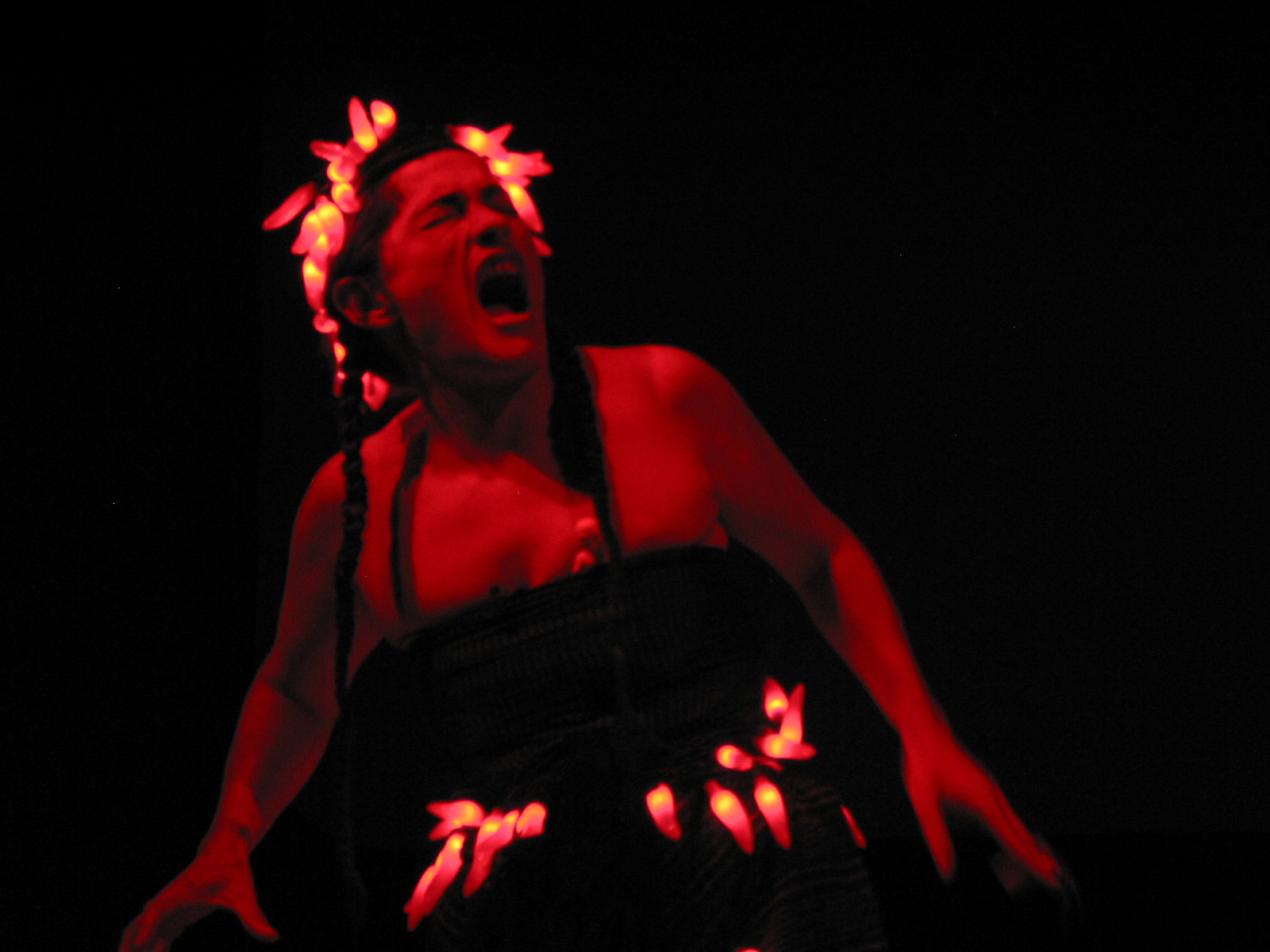
Jesusa and I have been close friends since the early 1990s.2 I have followed her impressive trajectory from an award-winning actor, performance artist, and director to an activist and political powerhouse. When I first saw her perform in La Capilla, the theatre she restored with her wife, composer Liliana Felipe, I recognized she was a genius. In the play, they were estranged lovers journeying through the nine levels of the Mesoamerican underworld. Jesusa was serious, hilarious, slippery, and ingenious as she moved rapidly between roles and rhythms. She tapped into contemporary and ancient anxieties. Desire. Betrayal. Rage. Death. When she came onstage dressed in an enormous costume of Coatlicue, the mother of the Gods, dancing, joking, recounting the creation of the world, and complaining about mortals and corrupt politics, she had me. I began to follow her trajectory.
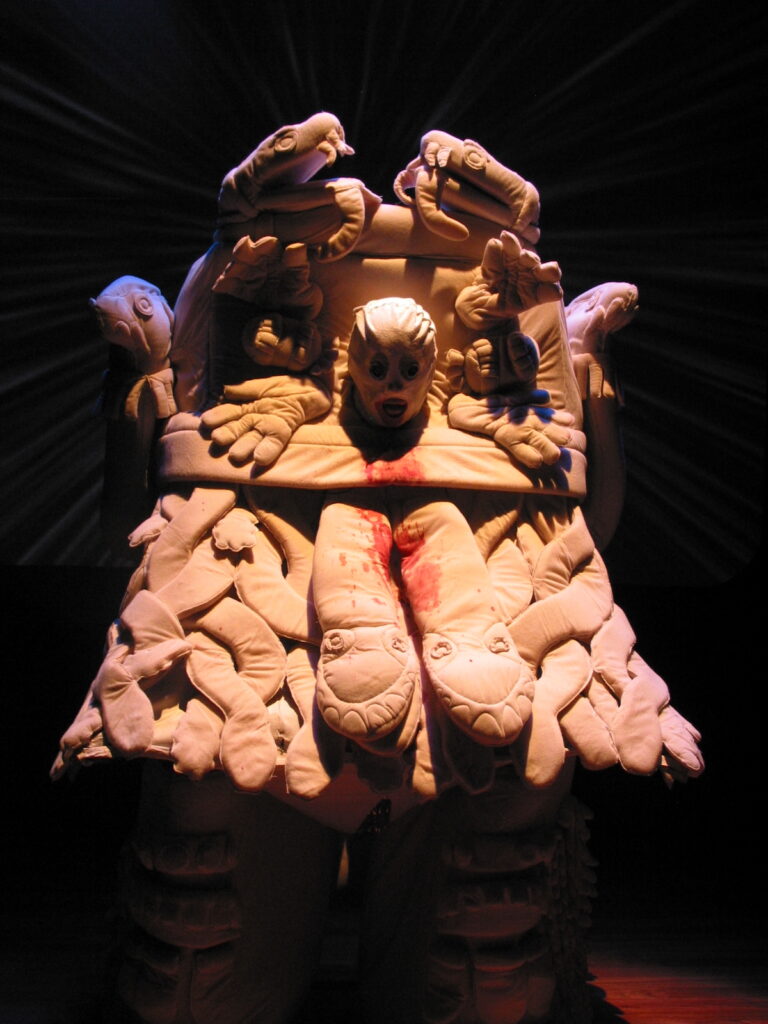
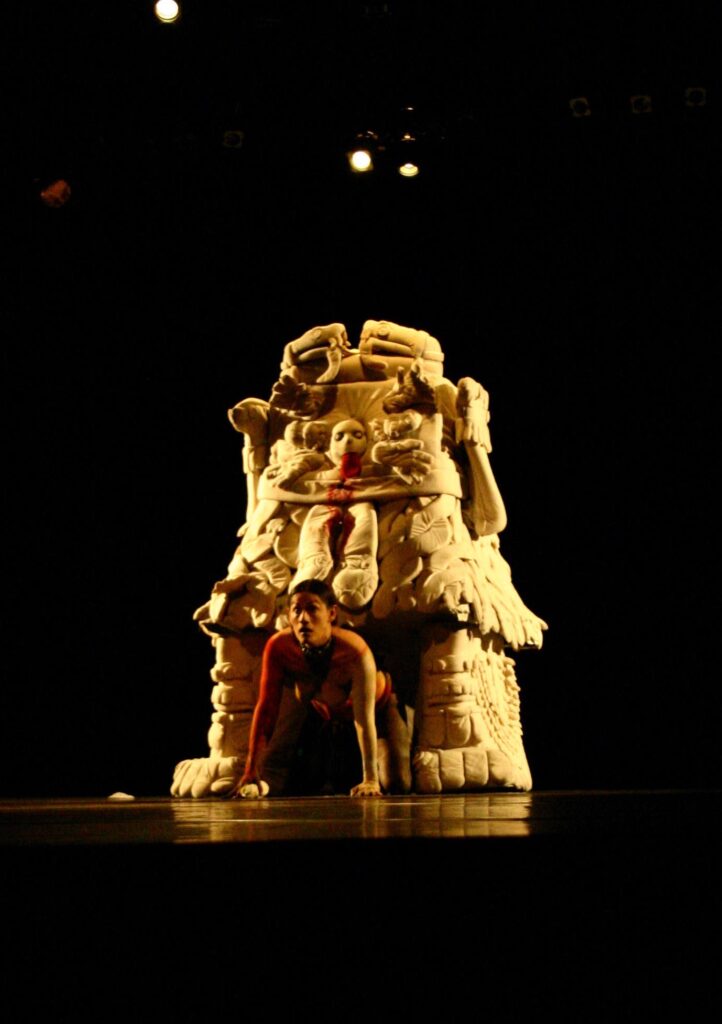
Jesusa’s relentless energy, humor, and social/political critique have made her a powerful presence on the Mexican artistic and national stage. “When Jesusa Rodríguez is on onstage, on camera, in the streets protesting the latest outrage — she may be the most powerful woman in Mexico… ” Pulitzer Prize winner Tim Weiner wrote in the NYT back in 2001.3 Elena Poniatowska, Mexico’s “grande dame of letters,” also considers Jesusa Mexico’s most creative female force after Frida Kahlo. She is “essential,” Poniatowska continues, both to Mexico’s political and cultural life: “She is the most essential of all creators.”4 Her voice is so indispensable in politics and social justice movements, Poniatowska adds, that the President on Mexico should “light a candle to her night and day.”5
This book explores what Jesusa’s remarkable career from a terrified child to one of the most important cultural figures in Mexico tells us about the power of performance, transformation, what some call ‘world making.’
It’s a long ride. Jesusa had warned me: “Get in my Jesüber, it’s free, but you never know where we’ll end up.”
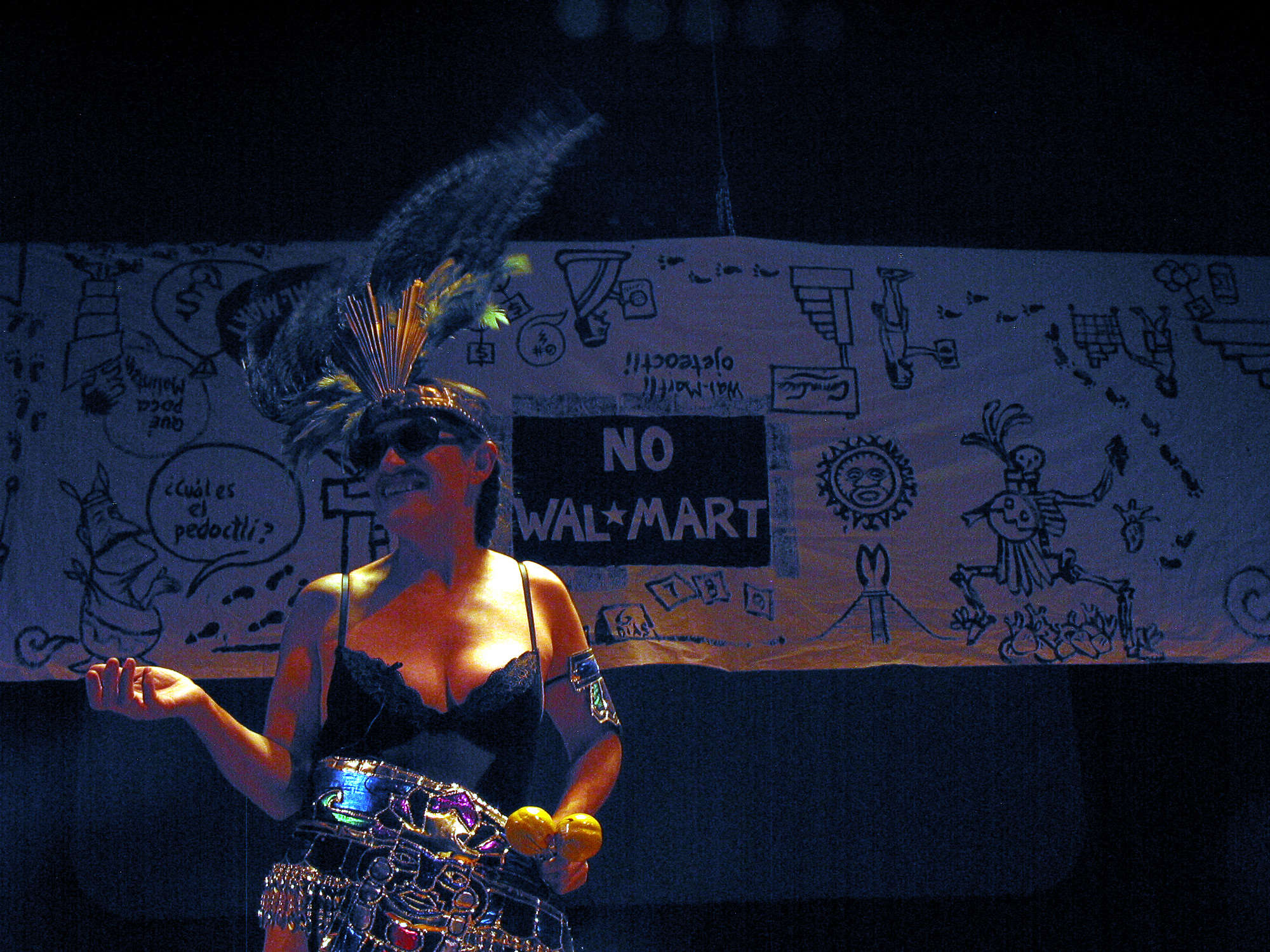
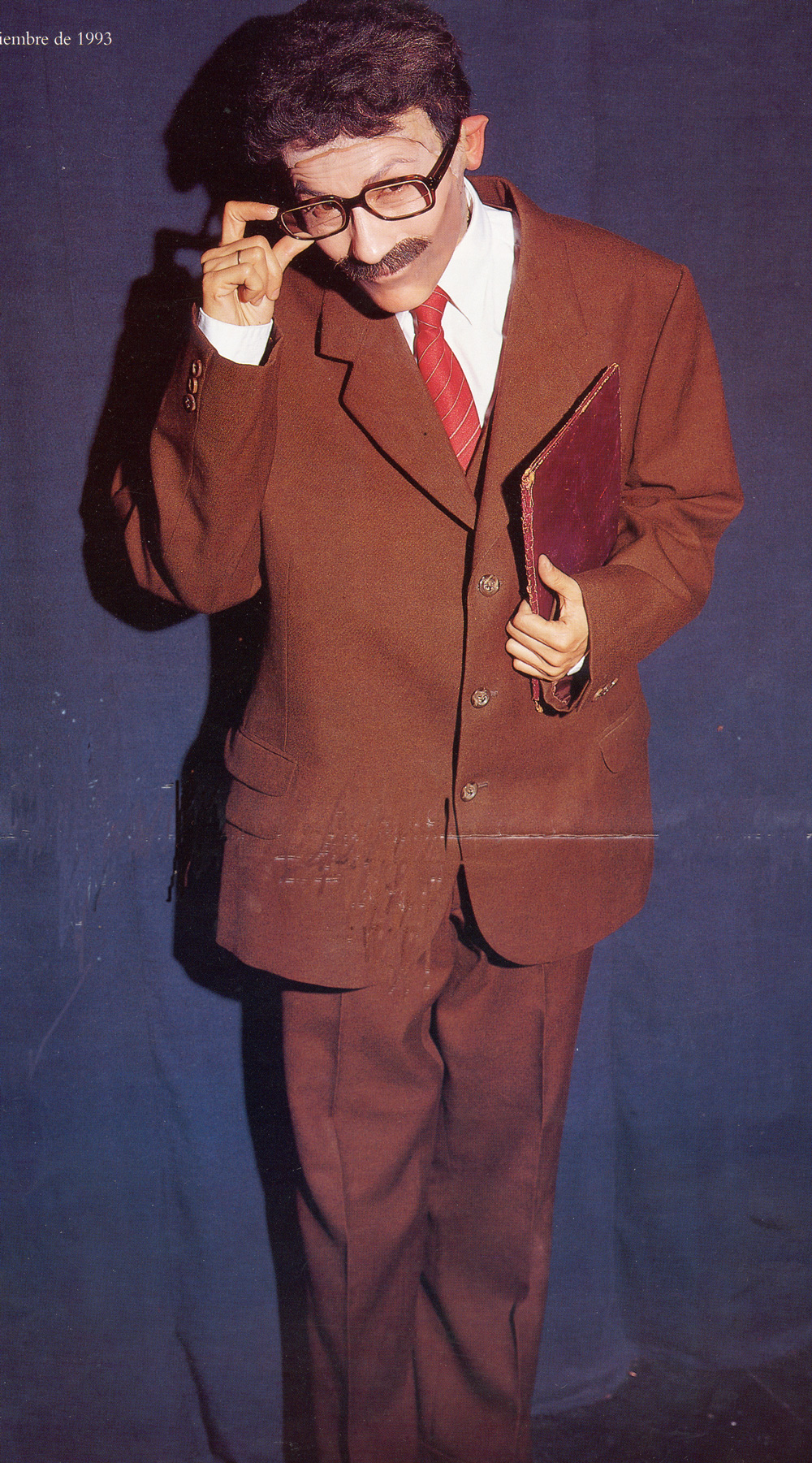
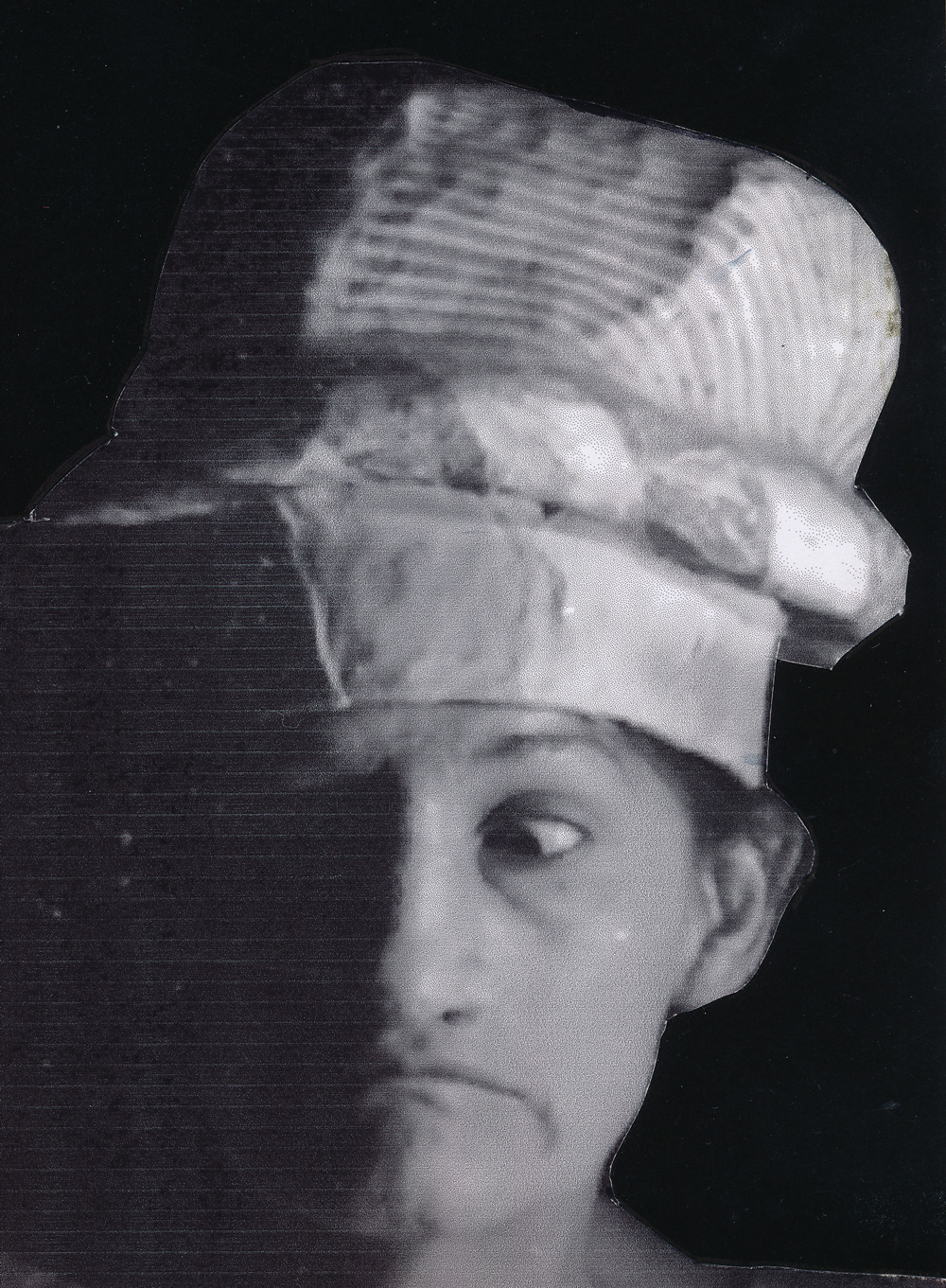
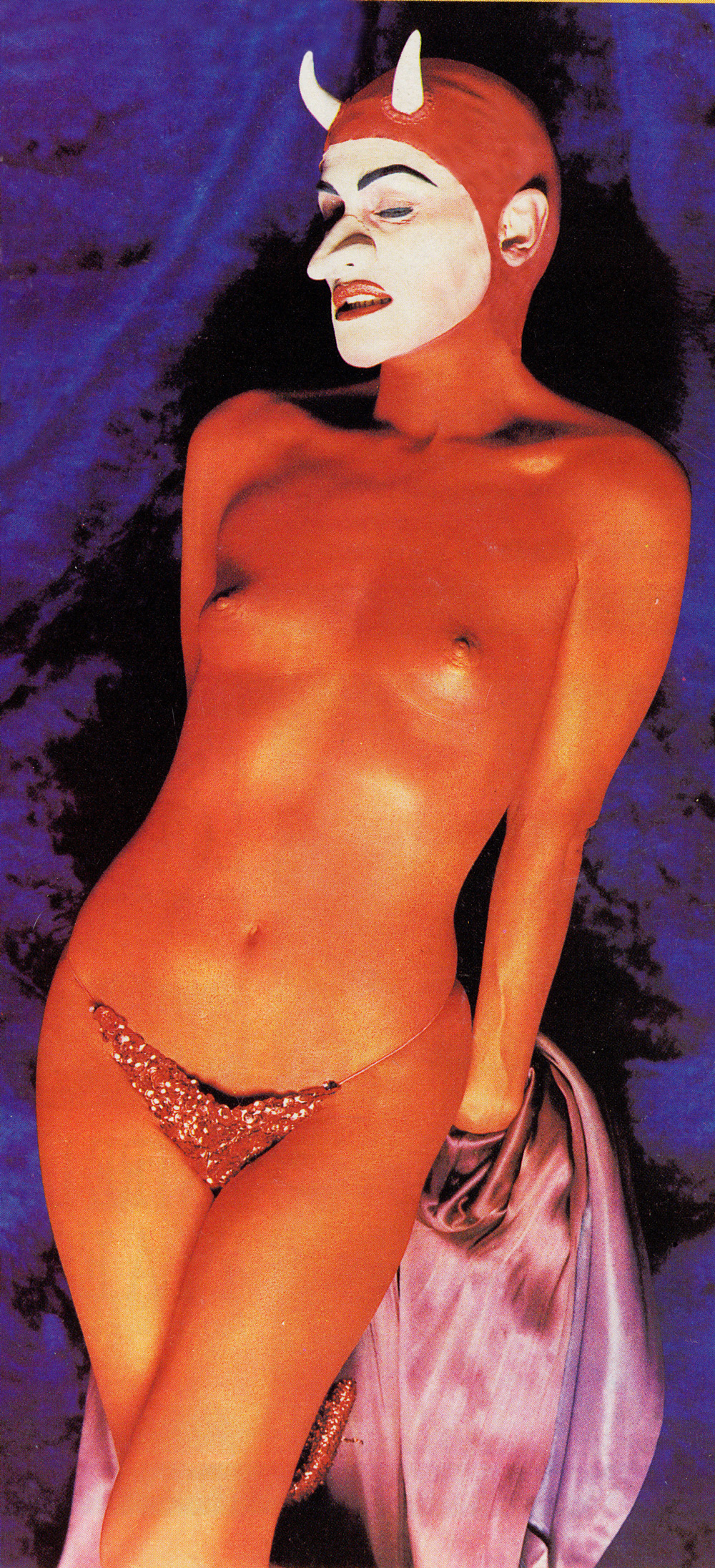
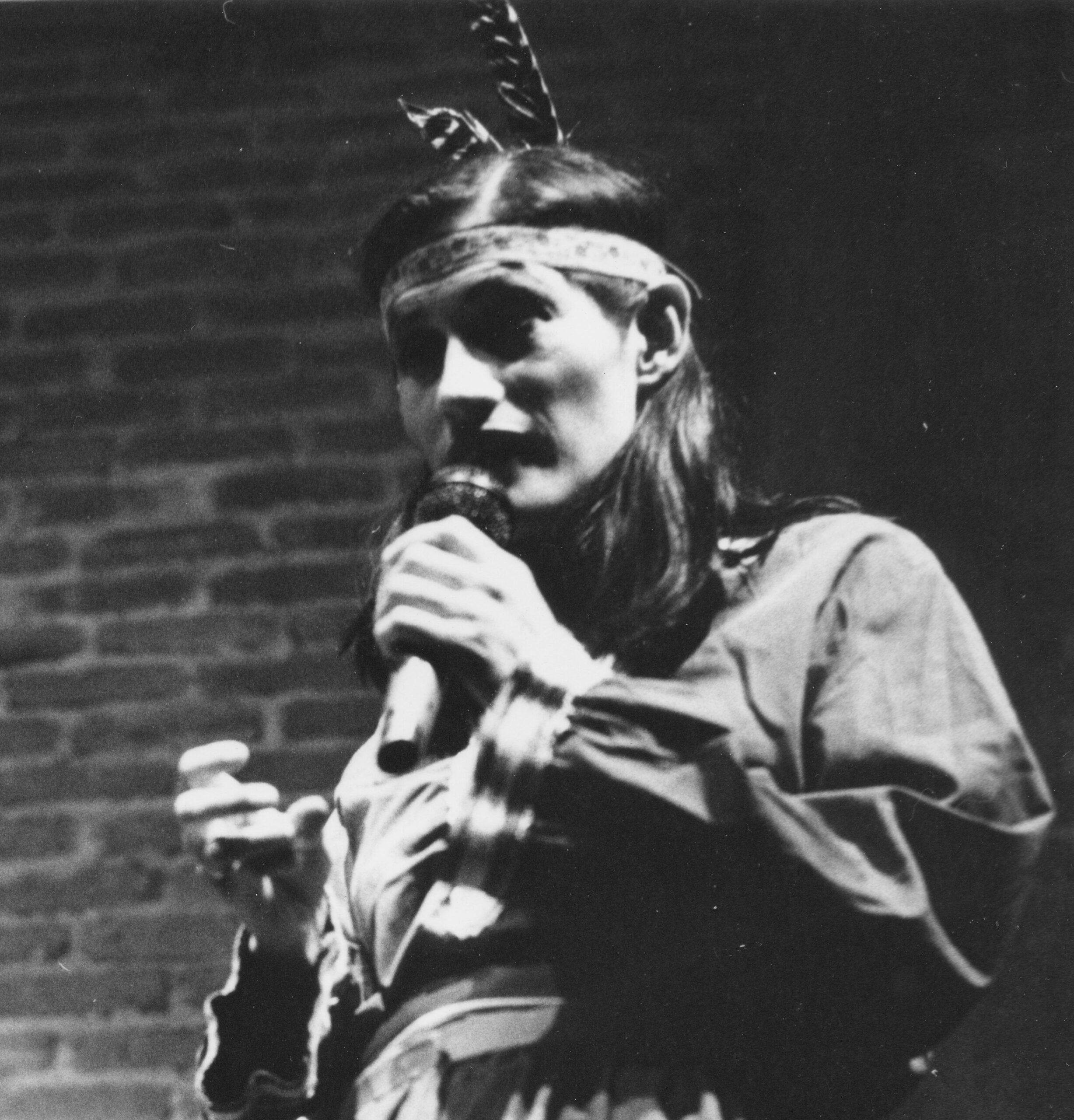
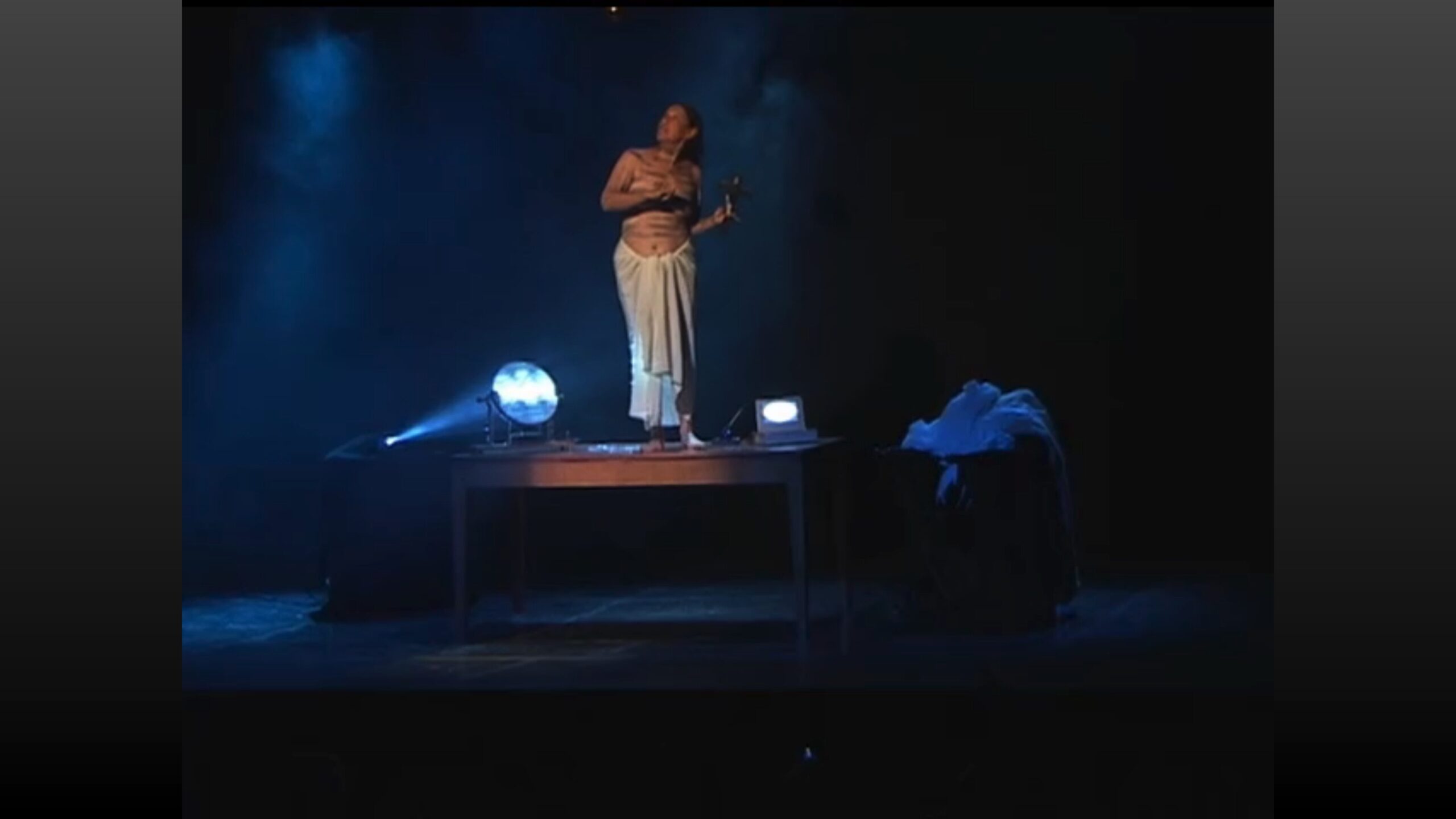
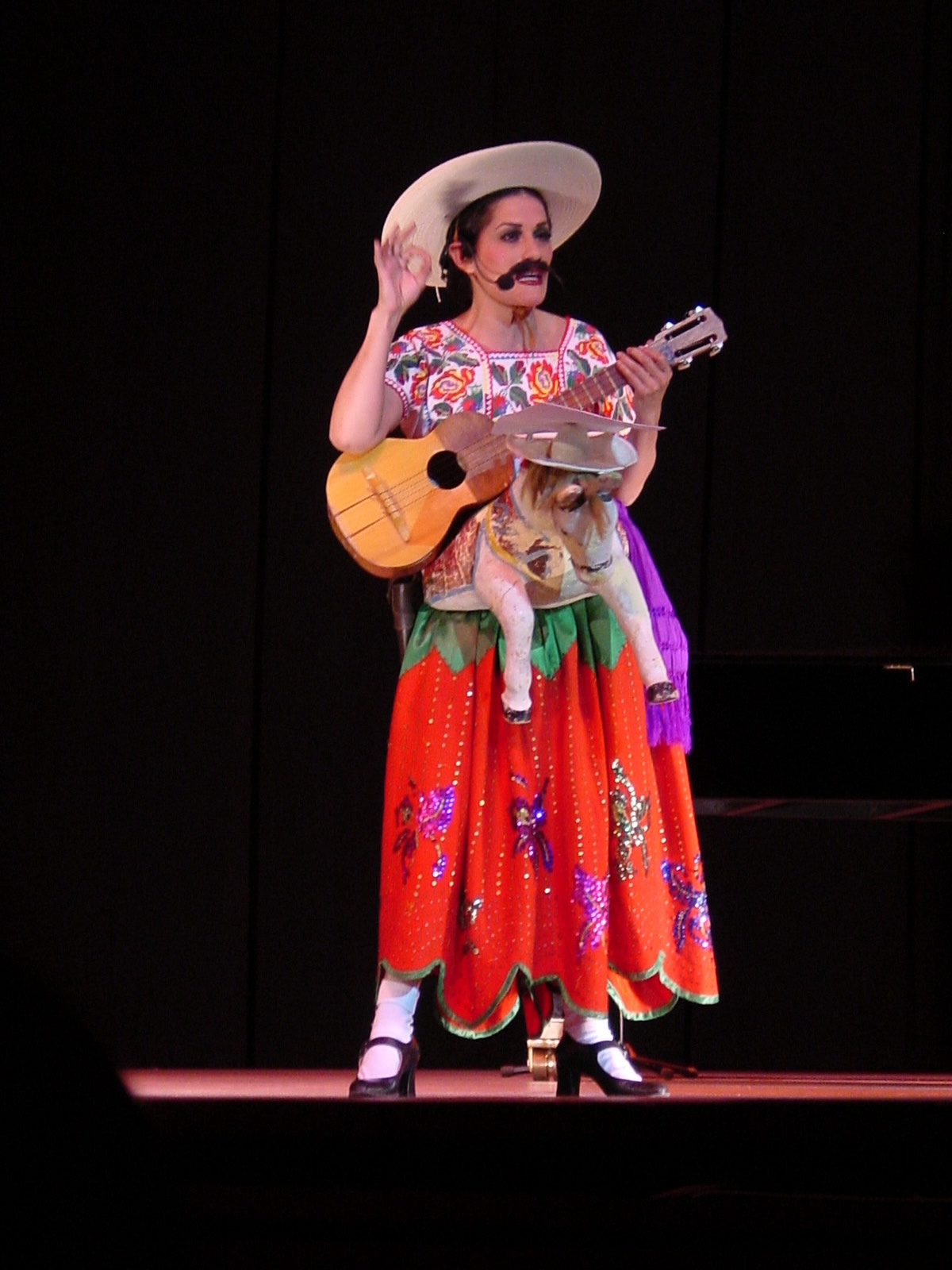
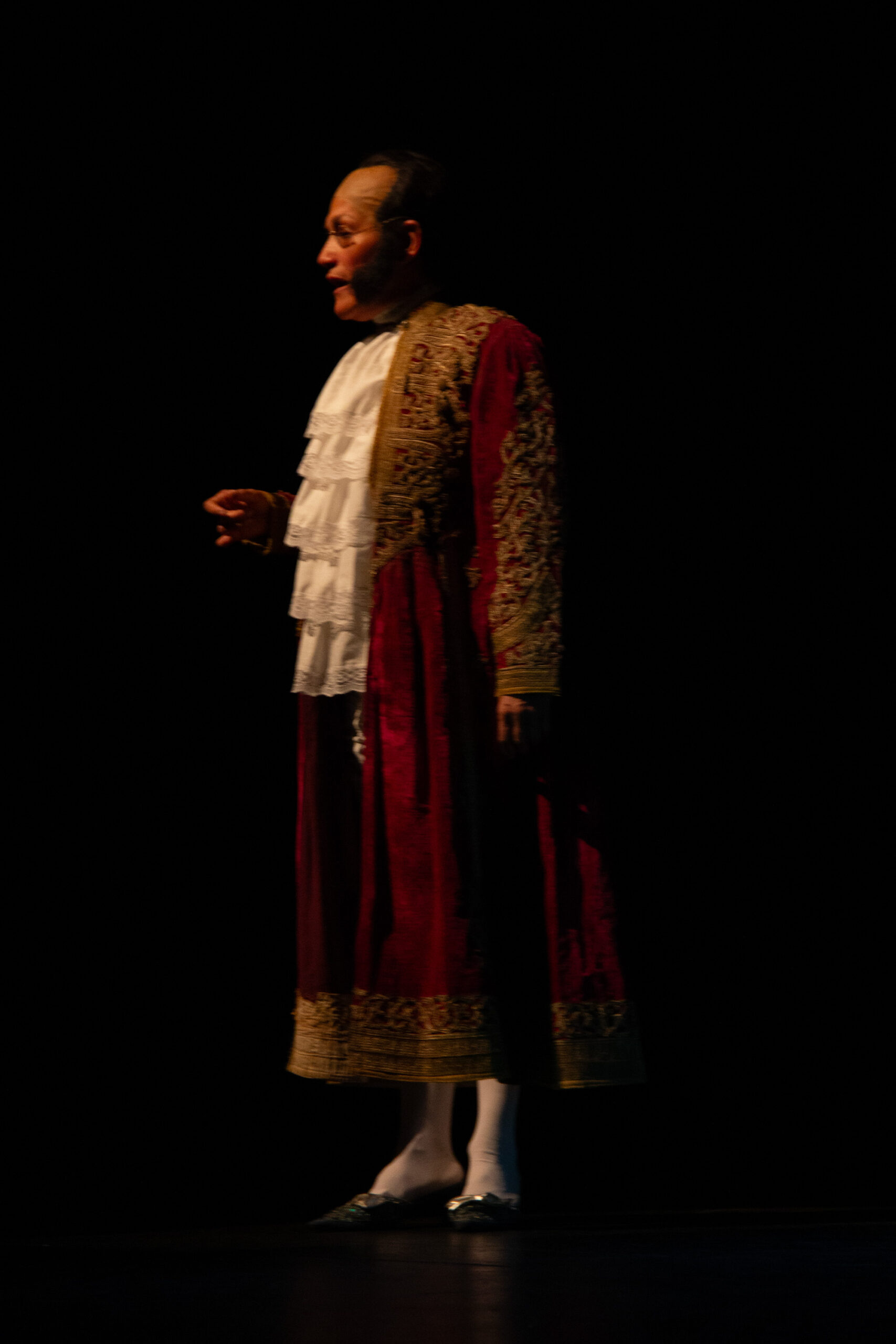
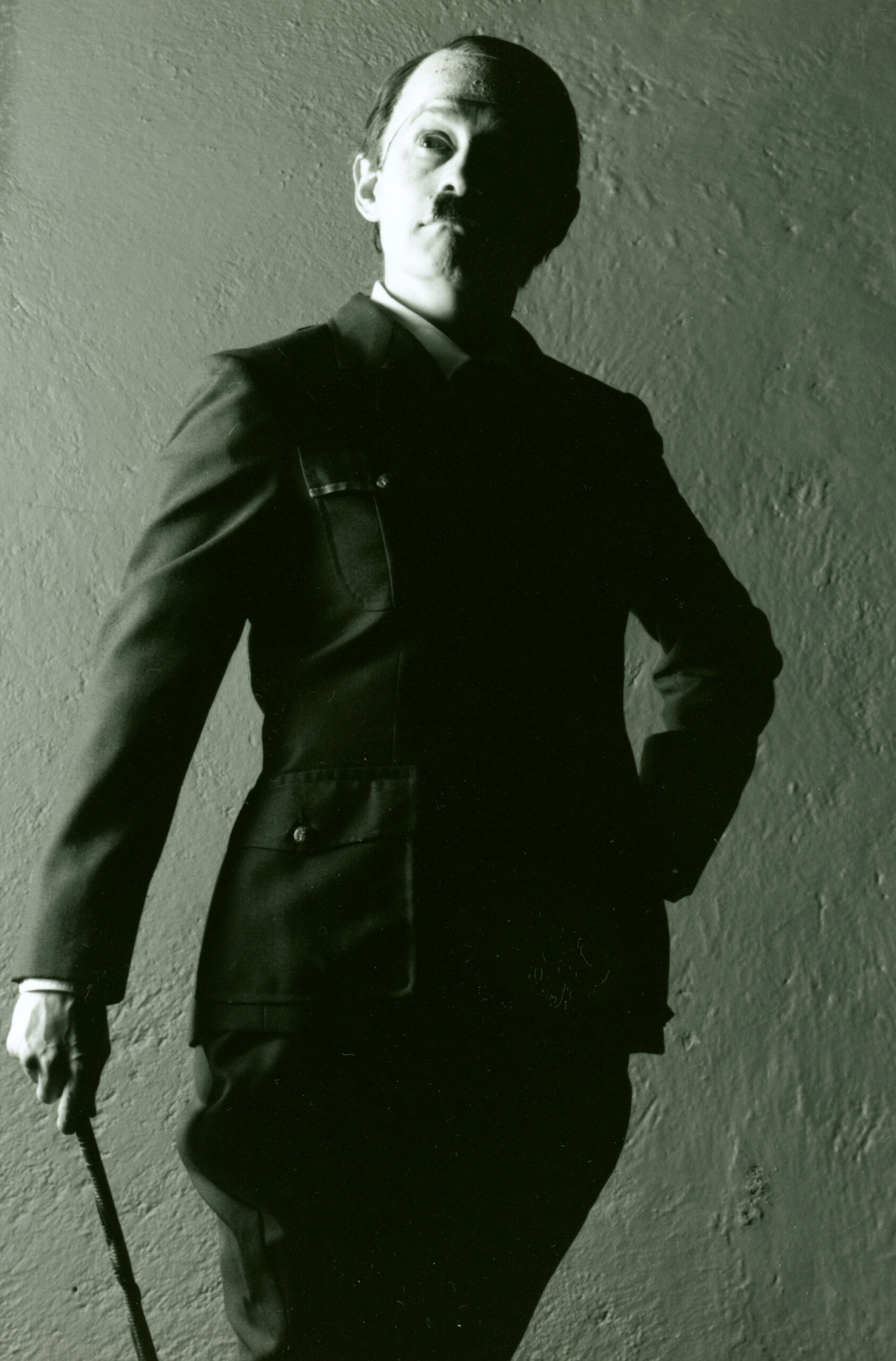
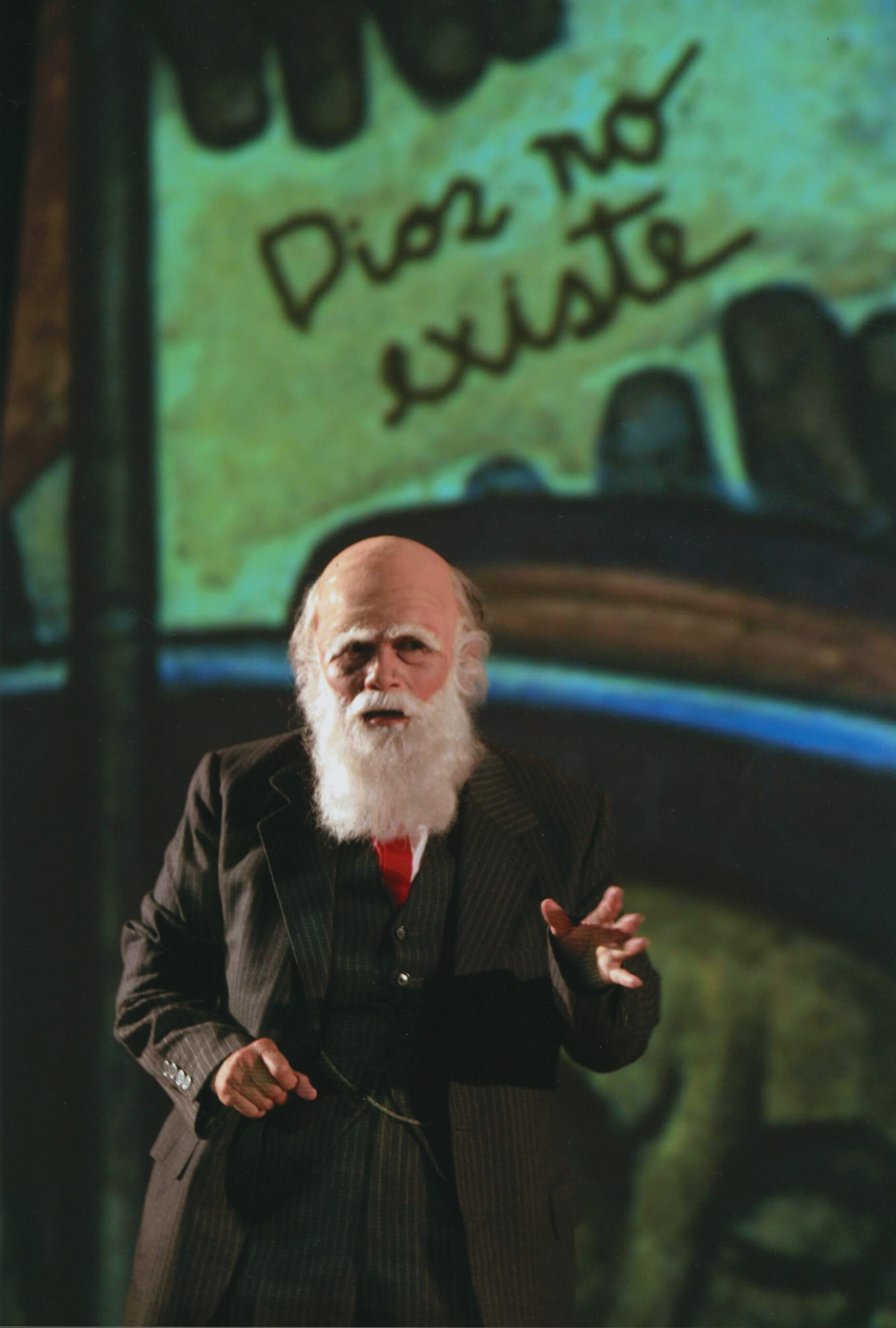
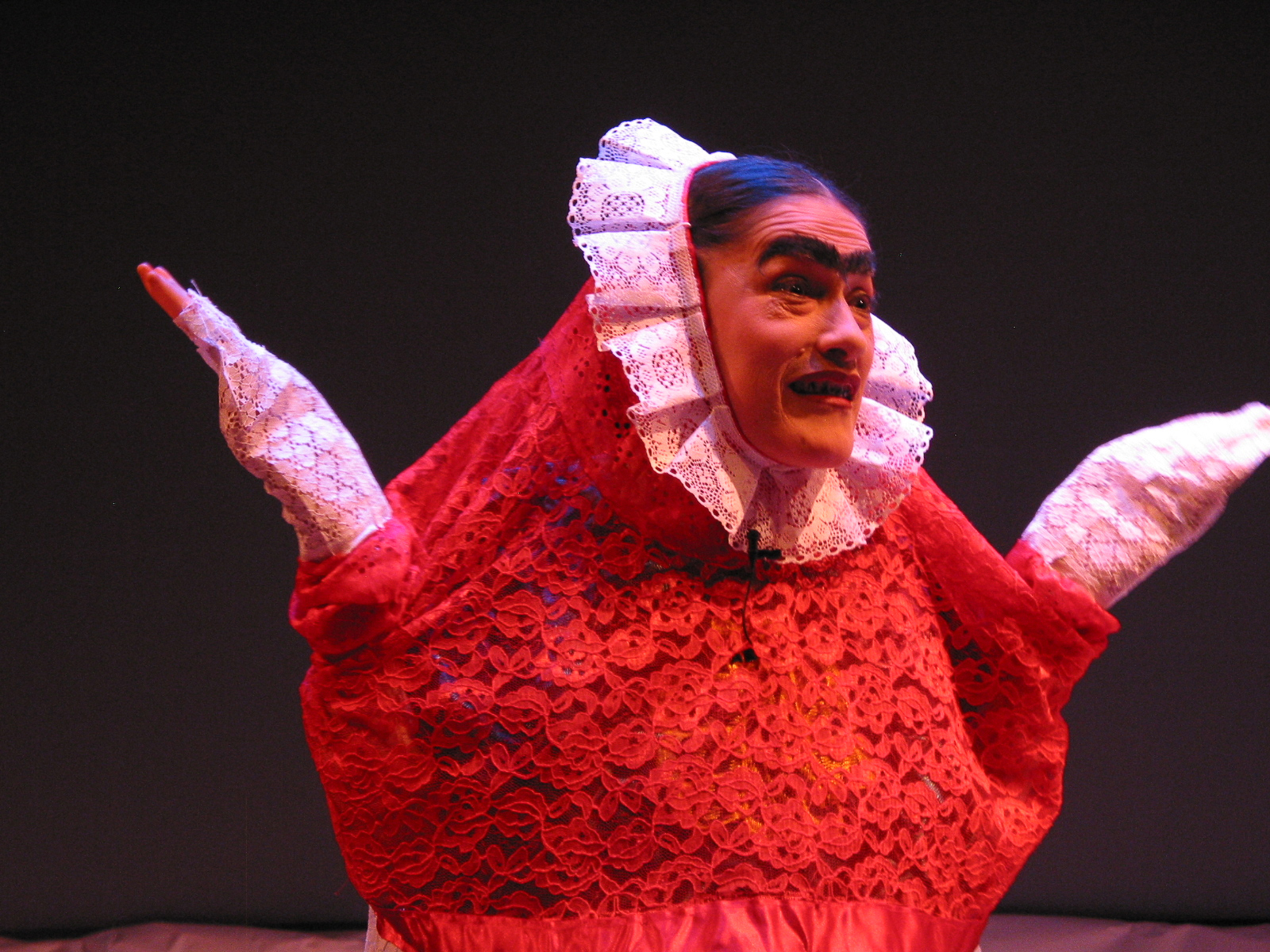
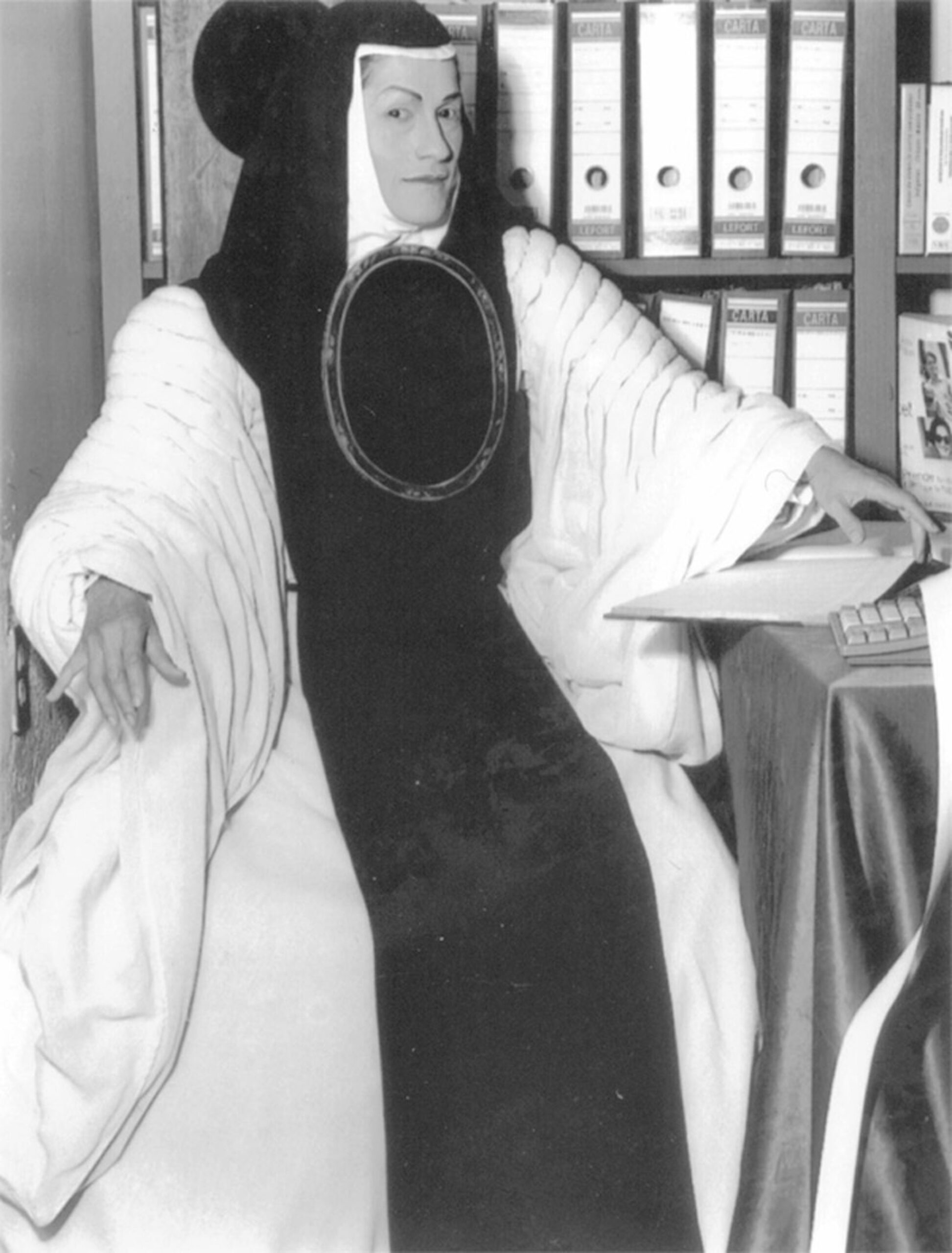
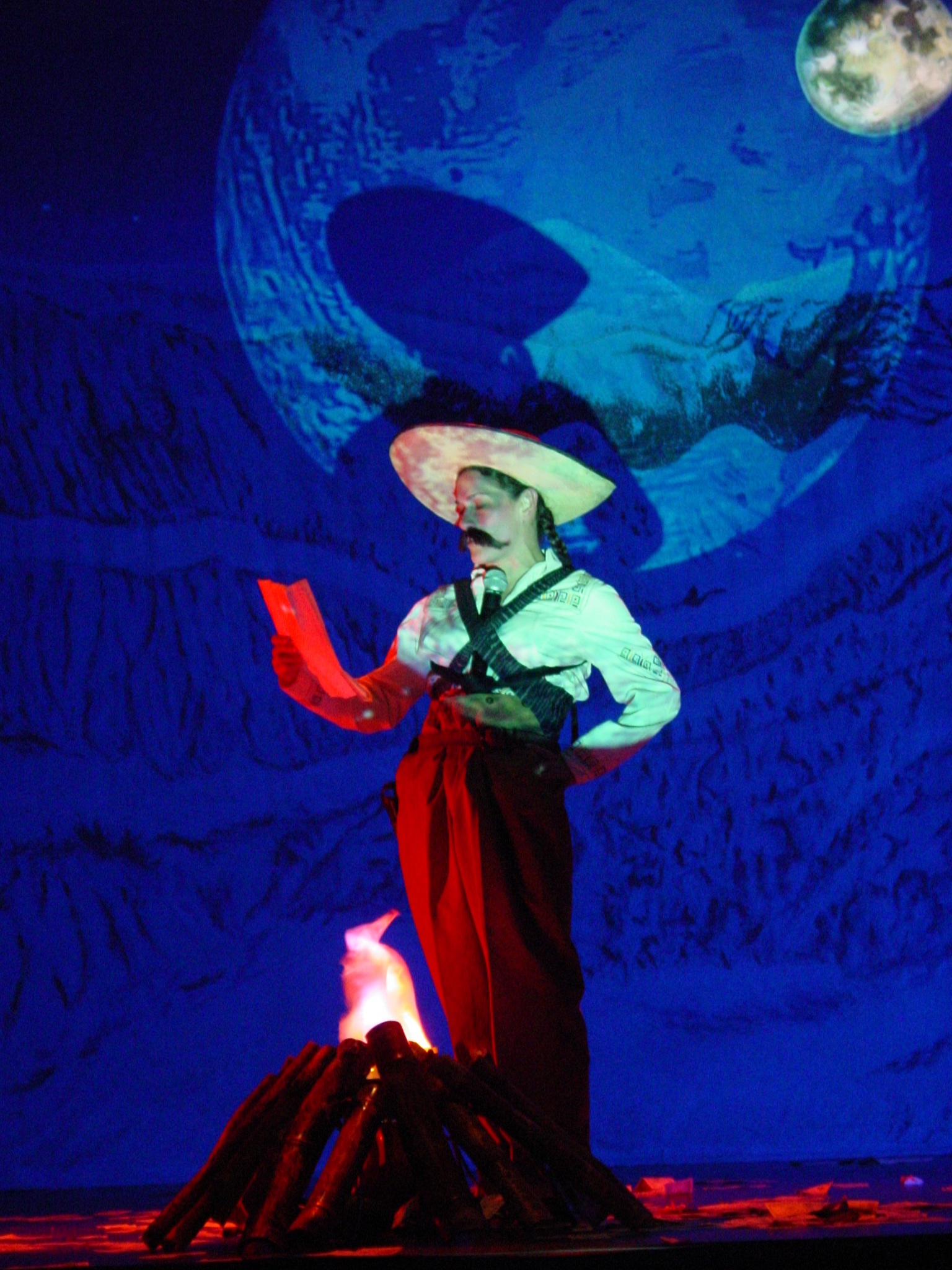
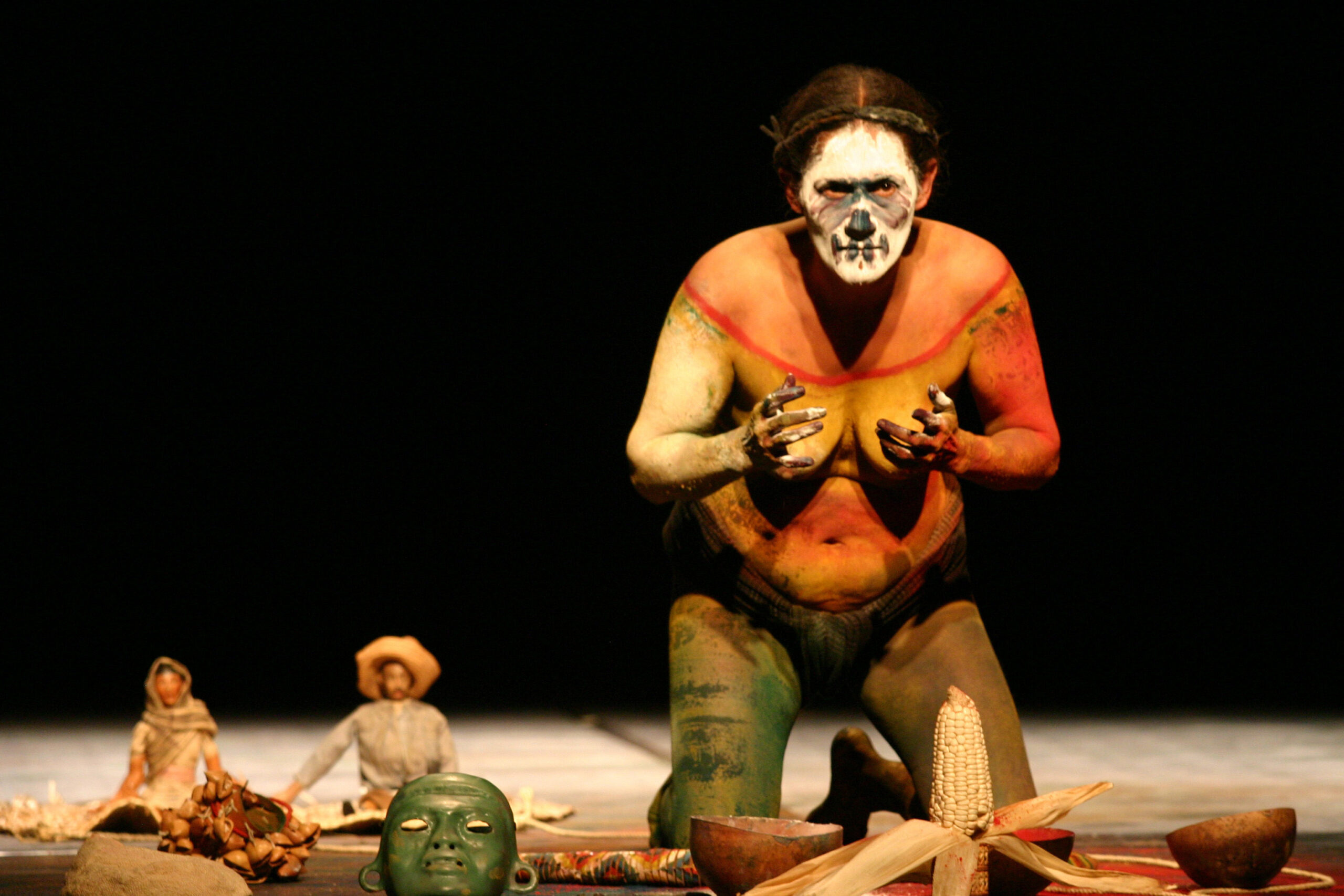
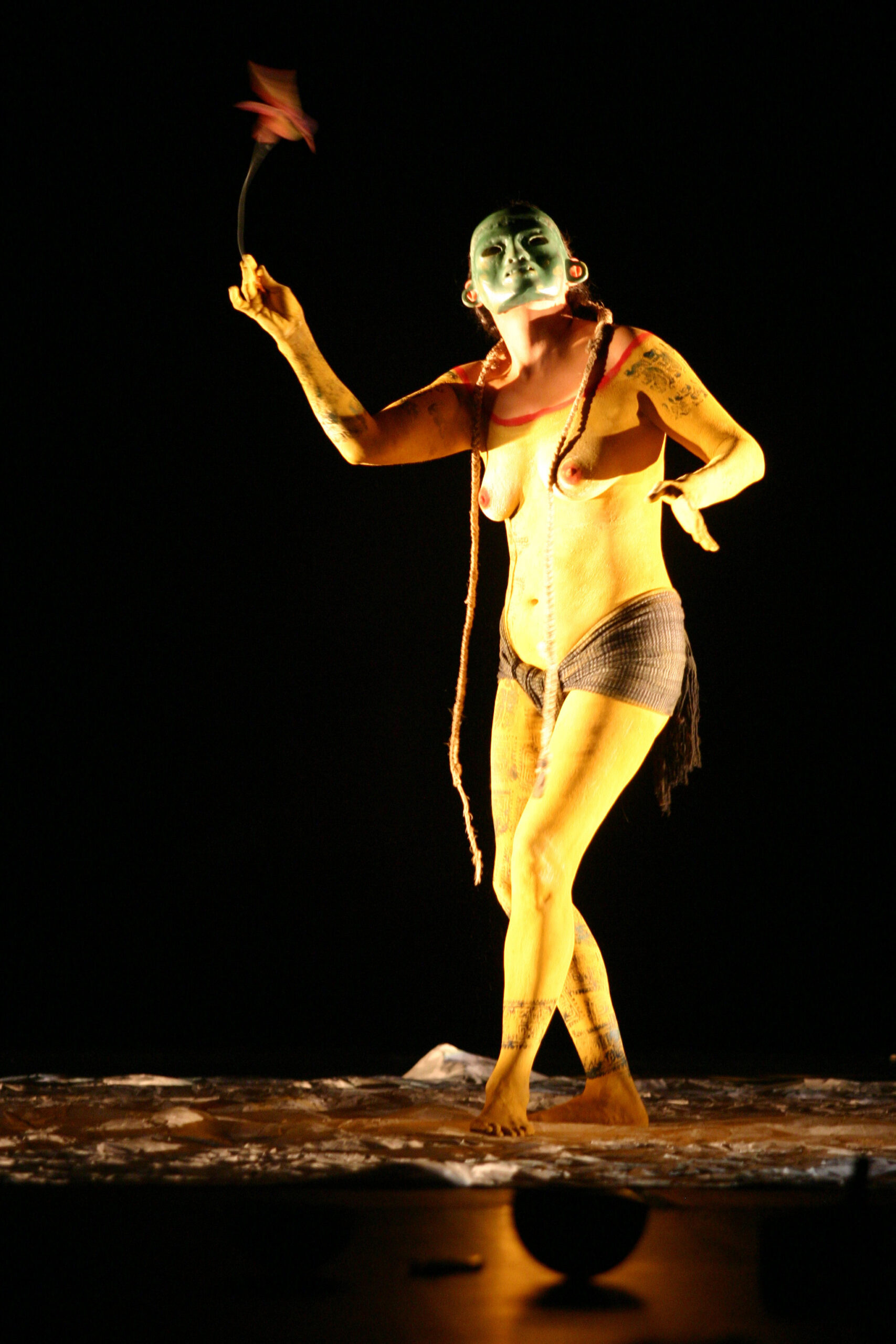
Onstage, she has morphed through hundreds of personalities: the 17th century nun, Sor Juana Inés de la Cruz, Charles Darwin, Malinche, Donna Giovanni, Hitler, Leonardo da Vinci and many other famous and infamous luminaries.6 She embodies non-human figures including God, Coatlicue, animals, and corn. Jesusa has created and presented over three hundred impersonations and political critiques in her cabaret alone. She has translated, directed and acted in operas and classical theatre—from Mozart to Shakespeare to Yourcenar.
Each of these figures allows her to go beyond the boundaries of what she knows, to explore other ways of being and doing that connect the human to the other than human. They also allow her to savage not only the brutal sexual mores that cripple patriarchal families and society but the powers of the church and the neoliberal state.
Jesusa’s work has also transformed social space. The performance venues that she and Liliana opened from 1980 through the 2000s helped revolutionize performance practice in Mexico.7 El Fracaso (Failure), El Hábito (The Habit), and La Capilla (The Chapel) created necessary spaces for being otherwise and engaging in hilarious but sharp social critique. Later, as an activist, a national senator, and now advisor to the President of Mexico, she realizes that the street, the senate and the arena of the national are just one more stage. “A stage is a stage. It has its rules and norms.” She knows that life, like art, like politics, is an unending process of creative energy, that “every single day one starts anew.”8
Jesusa’s investigations into Mesoamerican acting techniques gave her a vocabulary to describe the energy forces that enabled the transformations she experienced through acting.
“When people would ask me how I developed my characters, I’d say well, I never imitate… I simply work with what I remember of the character. Little by little, through the ideas of the ancient Nahuas, I started making connections, because they say that the ‘nagual’ is a soul that leaves your body and can steal another person’s essence—or it takes a bite of their essence, and then takes hold of them, of their substance…. then you can reconstruct that person inside you and let it express itself.”
The Nahuas, commonly known as Aztecs, had a “different worldview and understanding of the human body. “When you name and rethink your body in a different way, which isn’t the way you’re used to, you feel other things. You feel it in a different way.”
I listen. I read. Over time I’ve come to understand what nahualismo offers Jesusa. The more I’ve reflected over the years, the more I’ve come to understand that nahualismo, a theory of transformation, has much to offer us as artists, as theatre practitioners, and as humans. It can transform us and save us as a species.
Energy links all that exists— a world and cosmos in constant motion according to James Maffie.9 Everything transforms, and everything exists in connection to everything else. Humans and all else share energy, a co-essence.
Nahualismo comes from ‘nagual,’ one’s sprit animal, companion, or guardian. Humans have at least two bodies. This entails “a type of shared animality,” according to Roberto Martínez González.10 Naguales too can take animal form, but they are not animals. They have some tell-tale features if one knows how to recognize them. But they are not representations of an animal, nor simulacra. If one’s nagual is killed or seriously injured, the human can suddenly fall ill or even die.11 This energy or essence “animalizes itself to act in the human world.”12 Humans, after all, are animals.
This ‘other’ body, our nagual, shifts shape and takes on various temporary identities. Although naguales are usually thought of as animals, the most powerful are meteorological– a lightning bolt, wind, or fire.13 Mesoamericans consider environmental degradation a form of genocide, not ecocide. Humans, after all, are nature.
Naguales can be individual and/or collective, benevolent and/or brutal.14 They usually protect their humans and communities but can turn against their own people. They can enter and ‘nahualizar’ (transform) “humans, the gods, and animals” altering them for good or ill.15
Nahuatl, the language of the Nahuas, has no verb ‘to be’ challenging the Western concept of ‘identity.’16 There is no ‘is,’ no static identity or reality. We are always becoming rather than being.
Essence stems from action—we ‘are’ what we do, and not the other way around.17 We do constantly, and we can do differently. This philosophy counters the prevalent cultural, economic, political, and existential order that has trapped us in this isolationist and neoliberal quagmire of ‘There is no alternative.’
The co-essence linking human to the nagual never dies. When the human or animal dies, it goes to a special place where it is scrubbed clean of all personal characteristics, memories, and histories and transferred to another being born of the same species or kind.18 Energy in motion, humans and naguales keep transforming.
While, as Jesusa had warned me, this sounds a bit exotic, the theories Jesusa explores and enacts speak to phenomena that most of us, not just performers, encounter in the West. In many ways we know, through experience, that we have more than one body. Western literature is full of examples of our ‘other’ bodies: the aging portrait of Dorian Gray; Jekyll and Hyde, Gregor Samsa, Frankenstein.
Biologically, our flesh bodies age and transform as we go through life.
Psychologically or spiritually, we might, like Gloria Anzaldúa, refer to a “dreaming body,” an “imaging body” or “nepantla-body.”19 The tonalli, considered by the Nahuas as the animating force lodged in the head, leaves the flesh body at night and travels the interconnected worlds.
Psychiatry has a diagnosis for multiple personalities disorders, dissociative identity disorder. Those suffering from DID can have “two or more distinct personality identities, each with its memories, characteristics, and attributes.”20
Socially, we have at least two bodies—the symbolic and the ‘actual.’ The field force or ‘aura’ around a luminary figure may have little to do with the individual. Religious fervor, for example, might turn a carpenter into the son of God. Celebrity or cult status might encourage wannabes to embody their idol’s look or style—Evita’s panache, Kylie Jenner’s now ubiquitous puffy lips.
Politically, groups such as the Zapatistas assure continuity by keeping names and spirits alive. Sub comandante Marcos takes the name Galeano after the last bearer of the name was killed—Galeano lives, his energy lives, through naming. The “Votan”… guardian and heart of the world” lives on in other bodies, a bridge to the future.21
Evita’s body became hot property after her death; replicas were made so that would be thieves would snatch the fake.22 Images of body parts and invocation of a leader’s body can energize constituents even after the leader’s death. Hugo Chavez’s eyes postmortem haunted Venezuela.23
6
And these symbolic fields can be negatively imbued with racial, classed, gendered, homo-and transphobic (to name a few) valences that can harm others.
We also of course have electronic bodies—not just our avatars and online personae but also doubles such as government surveillance and medical files, banks accounts, police records, social media accounts—that can wield live-threatening power independent of our biological bodies.
We have many ‘bodies.’ Although they’re not all ‘naguales,’ as the Indigenous communities call them, they nonetheless have enormous power to tap into the individual and social body, transforming them for better or for worse.
Some exceptional humans, ‘human-nahualli,’ have a stronger, more powerful essence and “can use their counterpart … at will.”24 They can control and willingly inhabit their nagual’s shape to cure or hurt others. They can tap into others’ energy and use it as their own. The human-nahualli, though a special being at birth, needs to hone or train these skills to possess the necessary qualities of a ritual specialist (or actor/politician/cult leader and so on) to wield their considerable power.
The nagual’s capacity to transform seemingly “magically into an animal or natural phenomenon,” can augment the nahualli’s social and political power.25“[A 16th C.] cacique, in order to make his soldiers happy, became an eagle and went into the sea, showing that he was also conquering the ocean…”26
Nahualismo, clearly, is a highly powerful and ambiguous force. Not just a “magical practice” and a “cosmovision,” as Federico Navarrete points out, it can also include the “deception and dissimulation” usually associated with acting and political posturing.27 The etymological roots of nagual point to “a relationship of union, covering, contour, surface, garment… what I have on my surface, on my skin, or around me.”28 The nagual, then, can be a skin one puts on, a role, a guise, a dramatic transformation that takes on the surface appearance or ‘garment’ of another.
Human-nahualli’s might use their ‘superior’ strength and talent to impress their followers and stun their enemies. They can tap into other’s fears and desires, using them to power their own ambitions. Social and political transformation relies heavily on performance.
A list of similar exploits by powerful figures would include historical and contemporary examples, although they would be thought of not as ‘naguales’ but in the language and framework of their own socio-cultural and political contexts. ‘Genius’ or ‘schizophrenic’ or ‘possessed’ or ‘cult leader’ might refer to individuals with seemingly supernatural or mystifying powers. Even those who do not drink the Kool-Aid look on in terror.
Our conversation over twenty-five years ago further prompted me on my own journey deep into ancient Mesoamerican thought. As a performance studies scholar who has long lived in an Indigenous town in Mexico where Nahuatl is still spoken, the fascination is personal as well as scholarly. What would we do differently if we took even some of these concepts seriously, if we acted on them? How would grasping this co-essence enable us and communities to survive not only five hundred years of colonialism, but the current rising authoritarianism and threats of extinction? If we accepted that we humans are animals, are nature, would we continue to kill, eat, and abuse animals and destroy our natural environments? These are not just moral and ethical imperatives; they are survival imperatives.
For ancient Mexicans, energy links and powers all that exists. “At the heart of Aztec metaphysics… there exists just one thing: continually dynamic, vivifying, self-generating and self-regenerating sacred power, force, or energy… teotl,”29 writes James Maffie. ‘Just one thing’ yes, but with endless variations. The illusion of distinct and at times opposing elements are part of its ceaseless motion. “The continual becoming of the cosmos and its myriad aspects are teotl’s shamanistic self-masking and self-disguising.”30
Maffie’s use of theatrical terms such as self-masking and self-disguising is relevant. Energy transforms, acts, does on a cosmic level. The cosmos shapeshifts.
Performance, on an earthly level, also functions as a means of transformation, of connectivity through movement, gesture, corporal expression, language, sound, and smell for human and non-human creatures. Shamans and artists have the power to give embody and enliven forces that we cannot ordinarily or always see. Maffie sees them as always creating, transforming the ‘new’ out of what was there before. The shaman and artist may become ‘other’ by shapeshifting when the spirits or their art practices move them, but they do not remain ‘other.’ Once the ritual or ceremony or performance is completed, they resume their habitual place in their societies. But, as Jesusa stresses, they must take the risk of transforming, going over into the unknown.
The cosmic and the earthly dimensions are linked. The fluidity between them reveals not only the coexistence of multiple worlds/states/realities but the entangled nature of the form-changing universe itself.
Mesoamerican ‘transformation’ expands Western theories of acting, of performing, of becoming, doubling, beyond the conventional frameworks of representation and imitation. Unlike Enlightenment theories of transcendence that rely on static concepts such as individuated, self-referential subjectivity, nature/human dualism, and ‘universality,’ the primacy of an eternal, divine Being, the Mesoamericans developed a “metaphysics of Becoming… [that identifies] the sacred with the mutable, evanescent, and perishable, and hence with the changing world around us.”31 Because everything is process, movement, there exists no true/false. No imitation or representation. No ‘original.’ People, the elements, the universe shift shape, become other, because they share an essence—or energy.
Transformation, not change, then, is key to Mesoamerican thought. Change implies two different ontological categories, while transformation maintains ontological sameness although it can have many guises. The butterfly transforms from the chrysalis; they share the same essence but they’re not identical. Daphne transforms (or metamorphosizes) into a laurel tree—but her essence remains unchanged. These are examples of non-ontological ‘change’ I think of as transformation.
8
In nahualismo, as in shapeshifting, the energy is one and the same; the variations are linked but not identical.32 If humans take an animal shape, they do not ‘become’ the animal or become ‘one’ with the animal—they remain aware on some level that they are (and remain) human.33 Their appearance transforms, but not their essence.
***
Your Attractive Heading

Your Attractive Heading

Lorem ipsum dolor sit amet, consectetur adipiscing elit. Ut elit tellus, luctus nec ullamcorper mattis, pulvinar dapibus leo.
Lorem ipsum dolor sit amet, consectetur adipiscing elit. Ut elit tellus, luctus nec ullamcorper mattis, pulvinar dapibus leo.