
“As a child they said I was autistic, but I understood artistic, and so I dedicated myself to
this.” – Jesusa Rodríguez
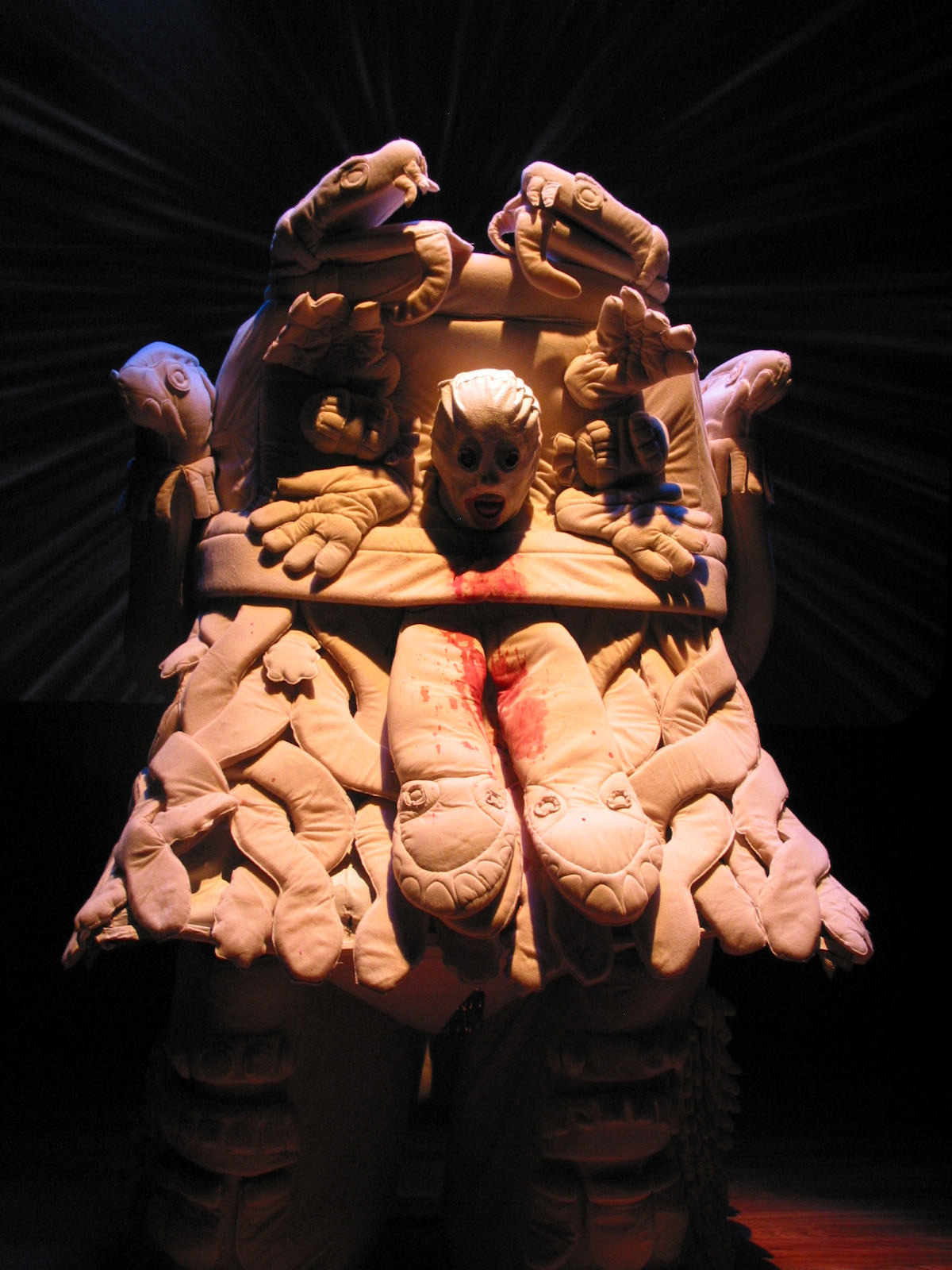
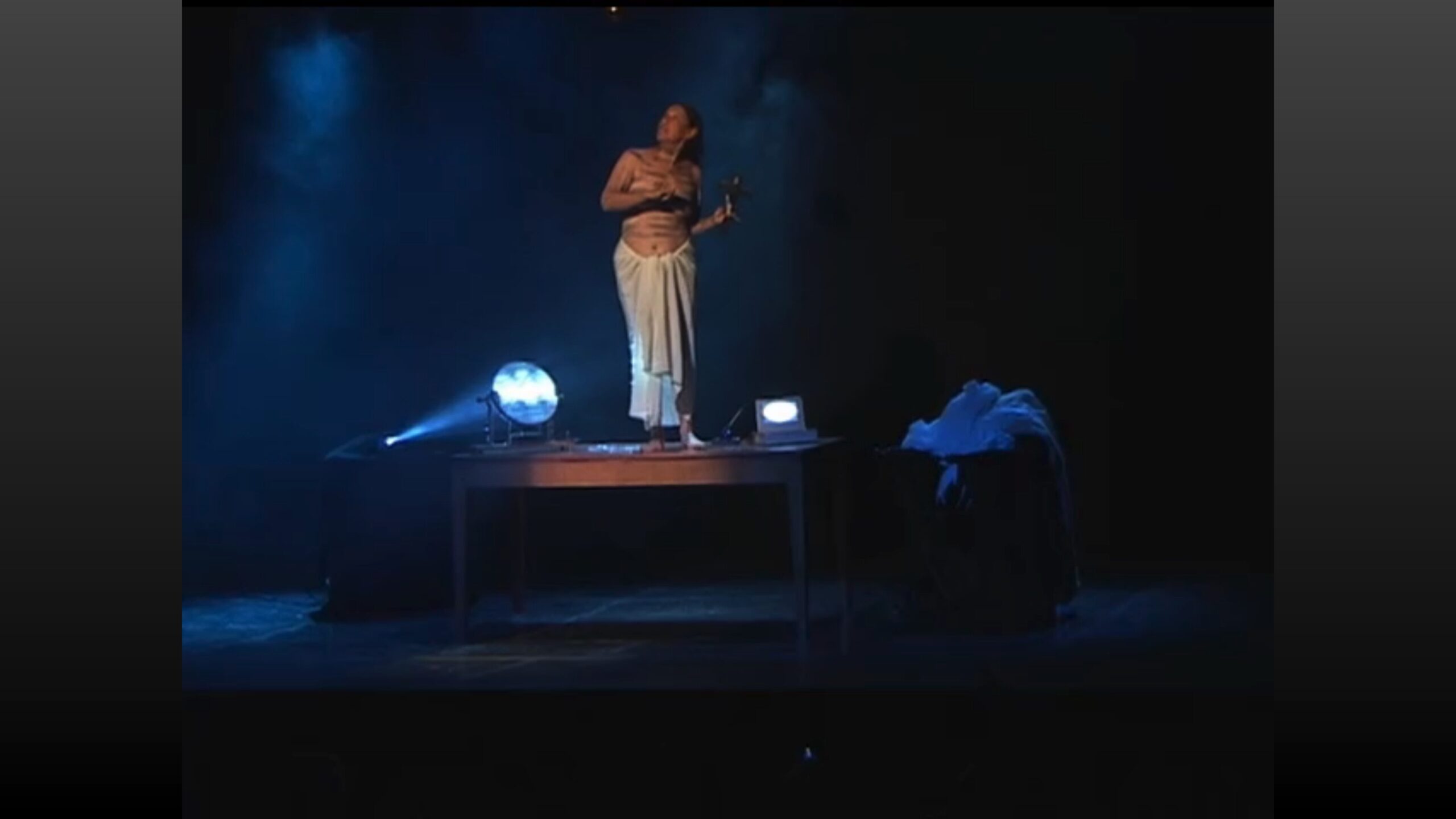
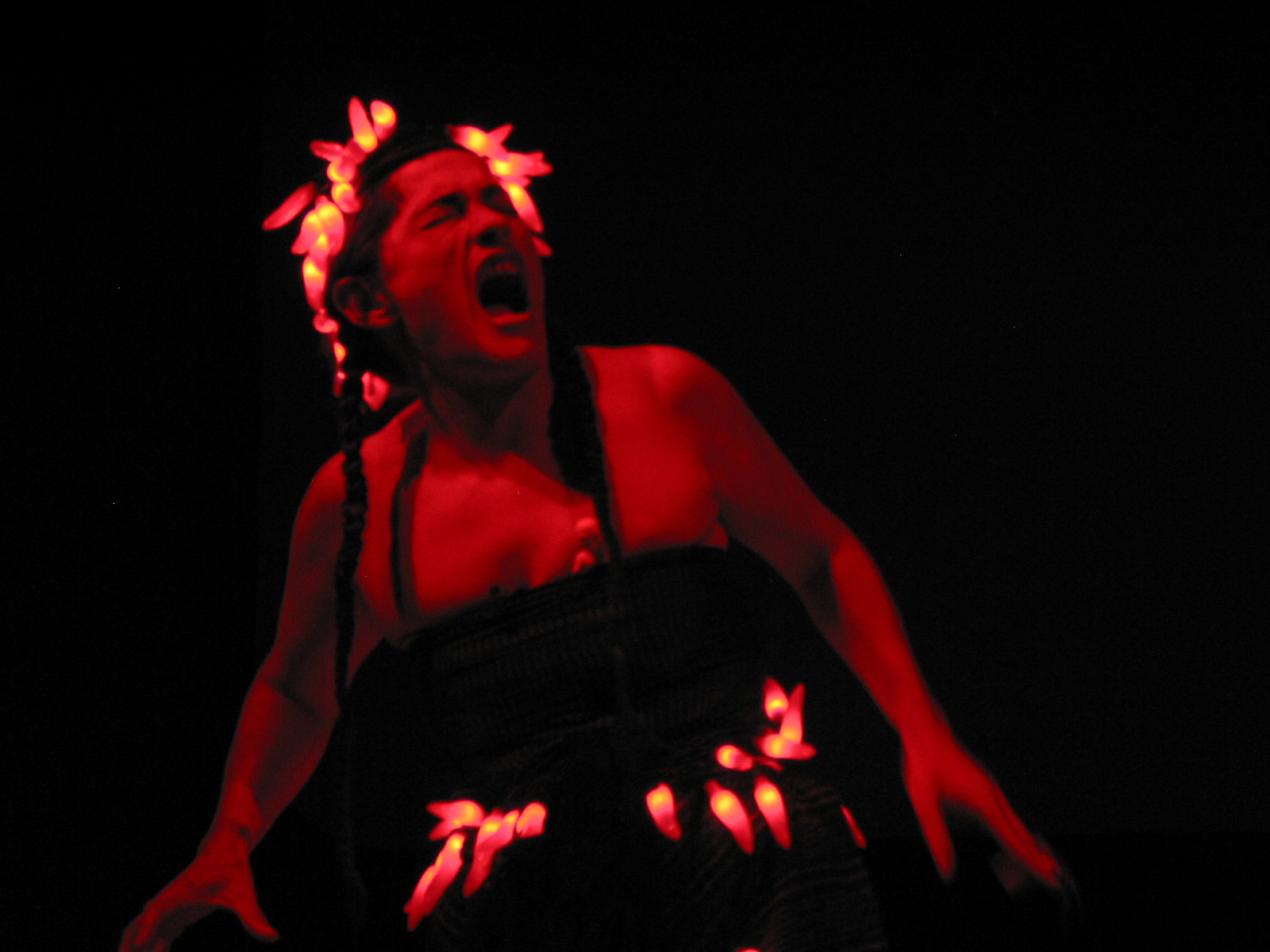
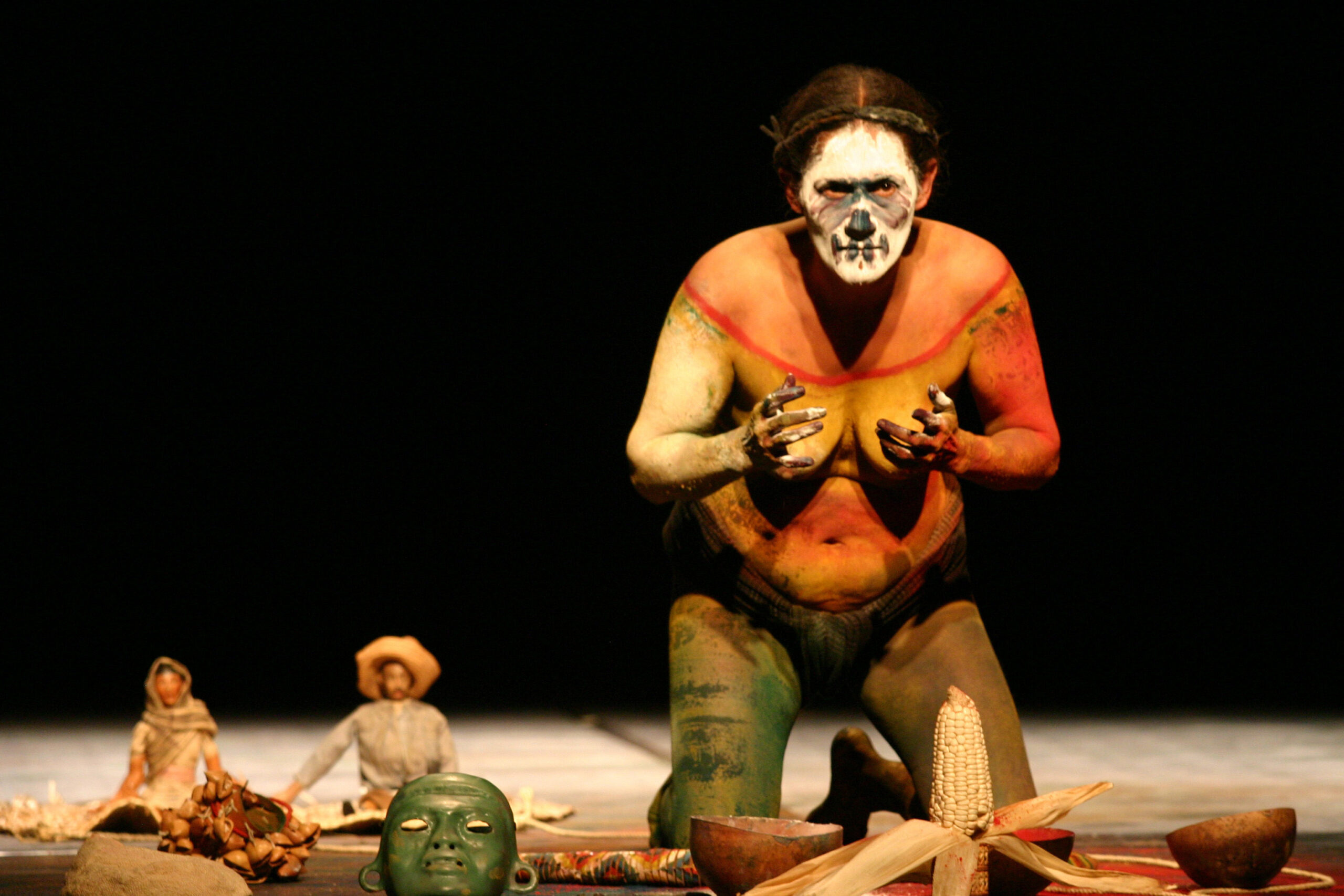
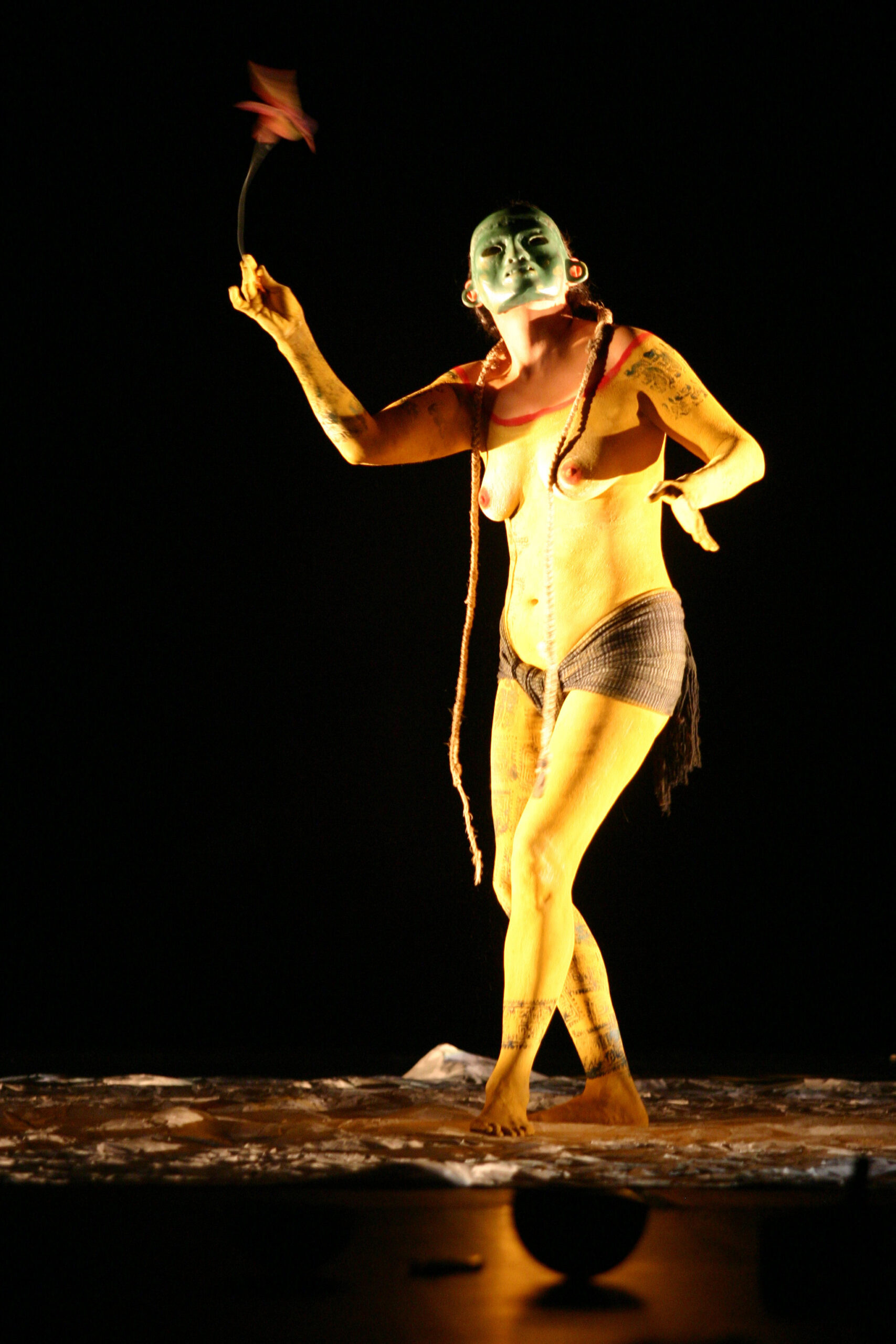
Jesusa and I have been close friends since the early 1990s.2 I have followed her impressive trajectory from an award-winning actor, performance artist, and director to an activist and political powerhouse. When I first saw her perform in La Capilla, the theatre she restored with her wife, composer Liliana Felipe, I recognized she was a genius. In the play, they were estranged lovers journeying through the nine levels of the Mesoamerican underworld. Jesusa was serious, hilarious, slippery, and ingenious as she moved rapidly between roles and rhythms. She tapped into contemporary and ancient anxieties. Desire. Betrayal. Rage. Death. When she came onstage dressed in an enormous costume of Coatlicue, the mother of the Gods, dancing, joking, recounting the creation of the world, and complaining about mortals and corrupt politics, she had me. I began to follow her trajectory.
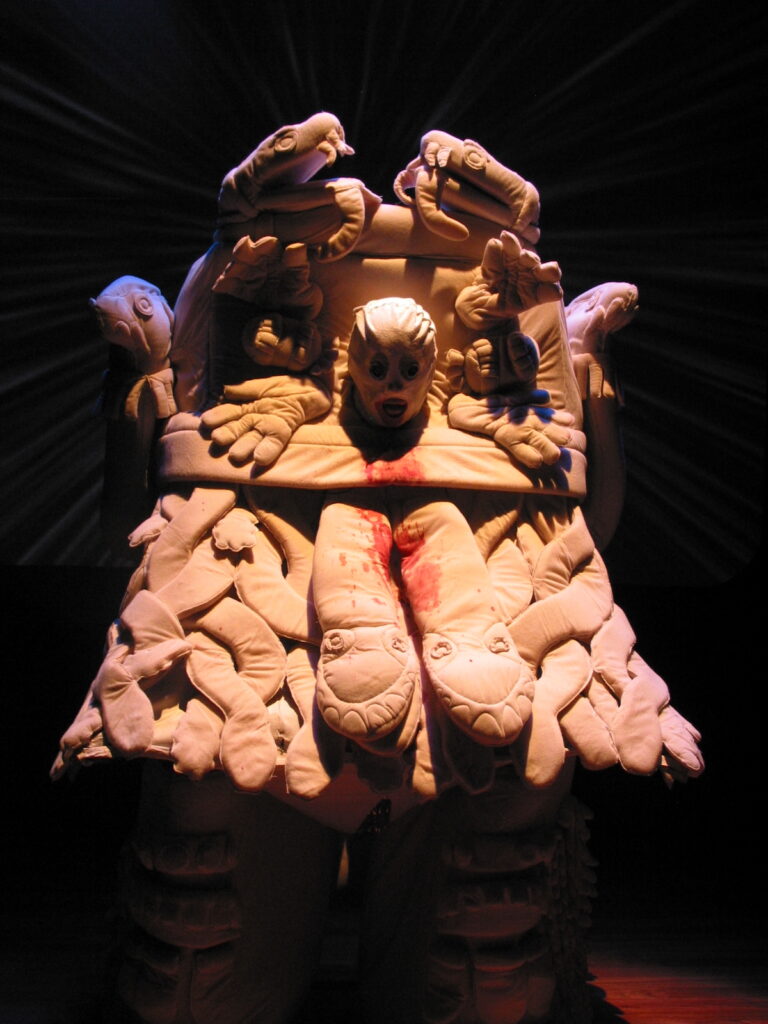
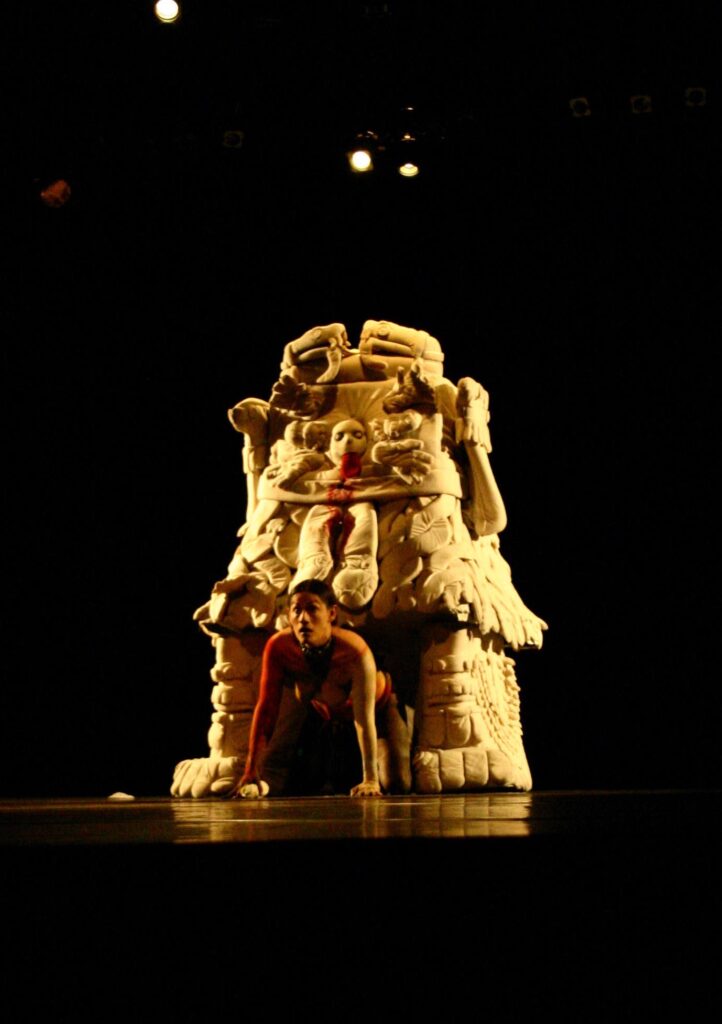
Jesusa’s relentless energy, humor, and social/political critique have made her a powerful presence on the Mexican artistic and national stage. “When Jesusa Rodríguez is on onstage, on camera, in the streets protesting the latest outrage — she may be the most powerful woman in Mexico… ” Pulitzer Prize winner Tim Weiner wrote in the NYT back in 2001.3 Elena Poniatowska, Mexico’s “grande dame of letters,” also considers Jesusa Mexico’s most creative female force after Frida Kahlo. She is “essential,” Poniatowska continues, both to Mexico’s political and cultural life: “She is the most essential of all creators.”4 Her voice is so indispensable in politics and social justice movements, Poniatowska adds, that the President on Mexico should “light a candle to her night and day.”5
This book explores what Jesusa’s remarkable career from a terrified child to one of the most important cultural figures in Mexico tells us about the power of performance, transformation, what some call ‘world making.’
It’s a long ride. Jesusa had warned me: “Get in my Jesüber, it’s free, but you never know where we’ll end up.”
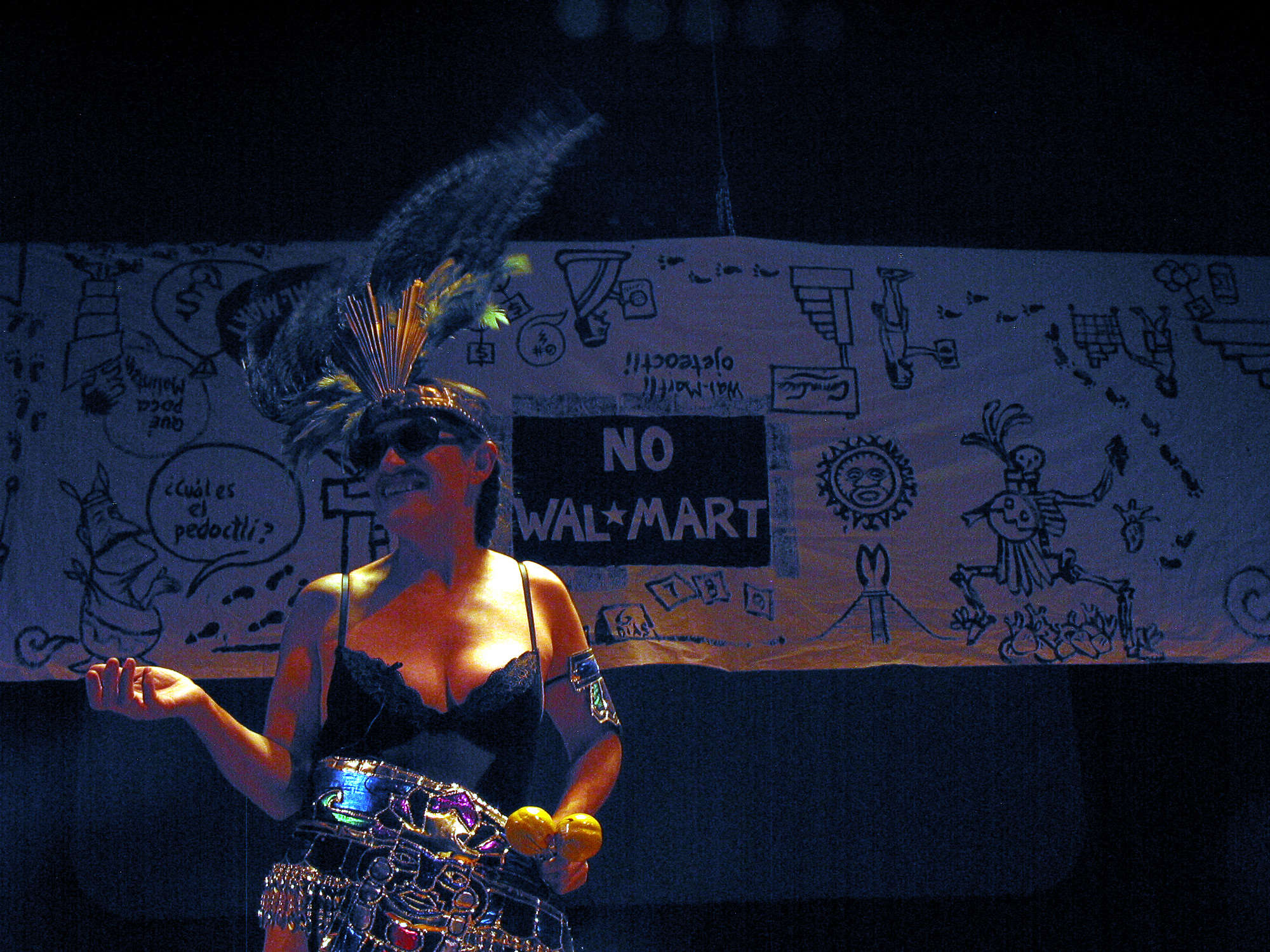
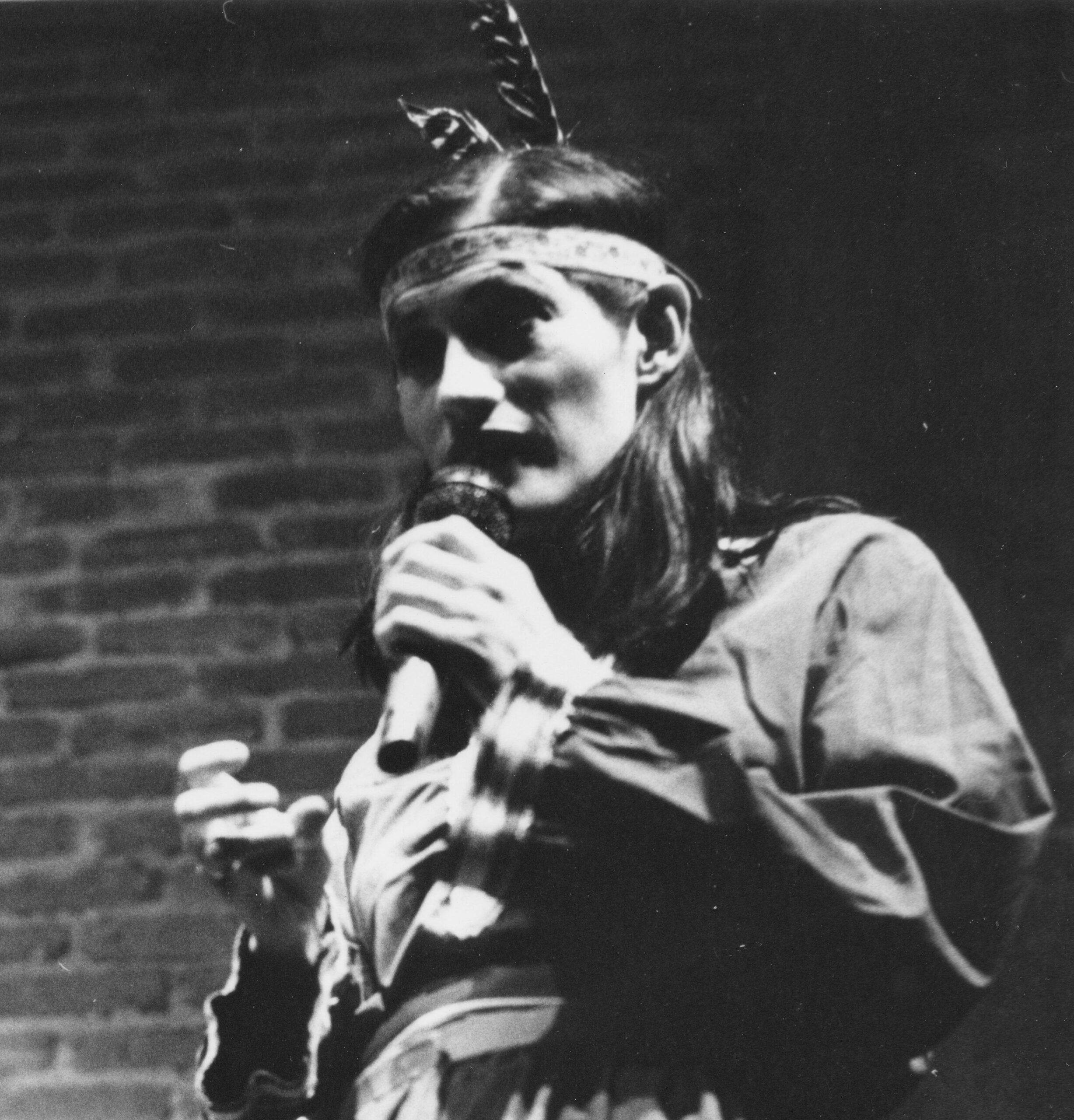
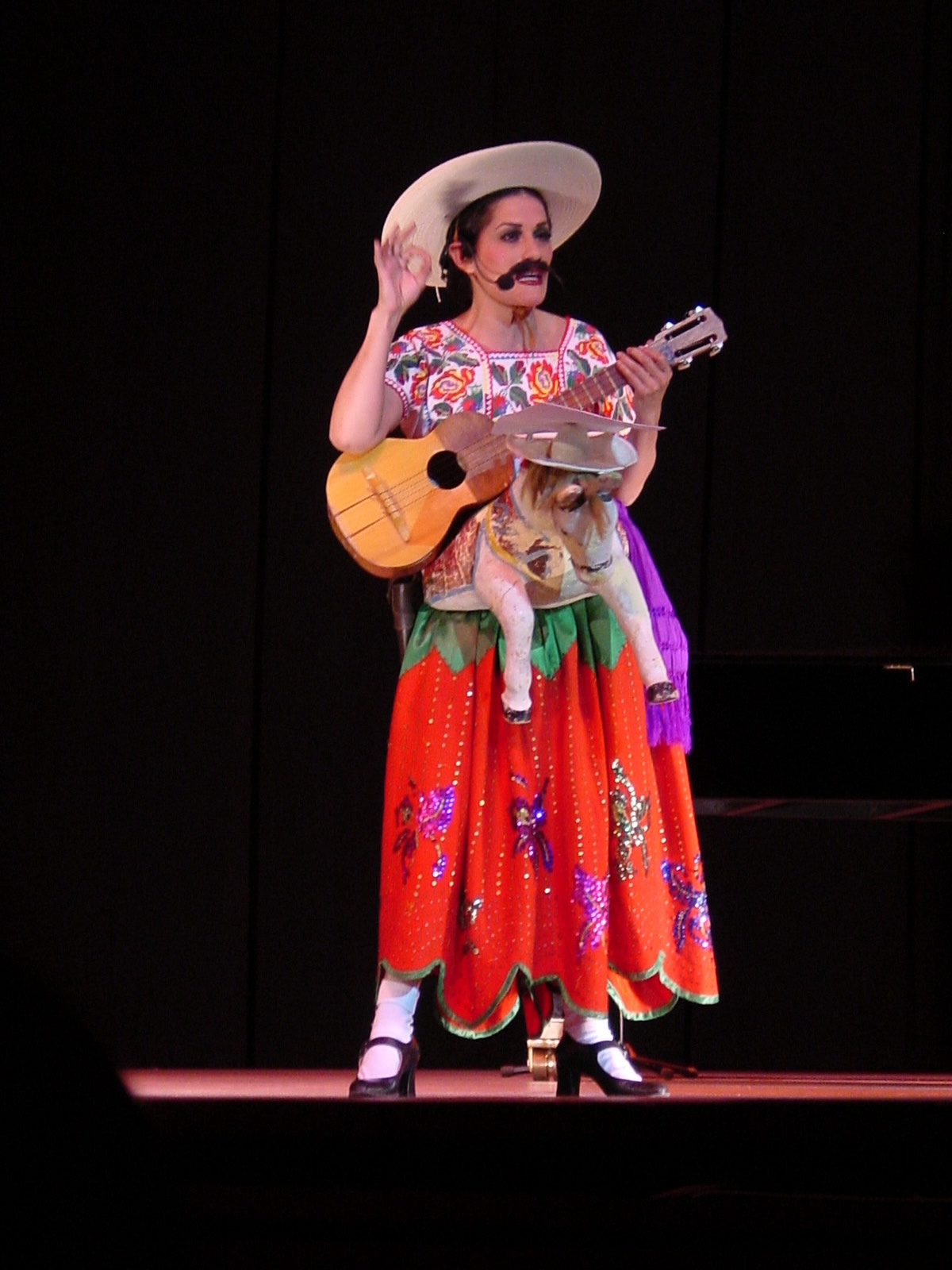
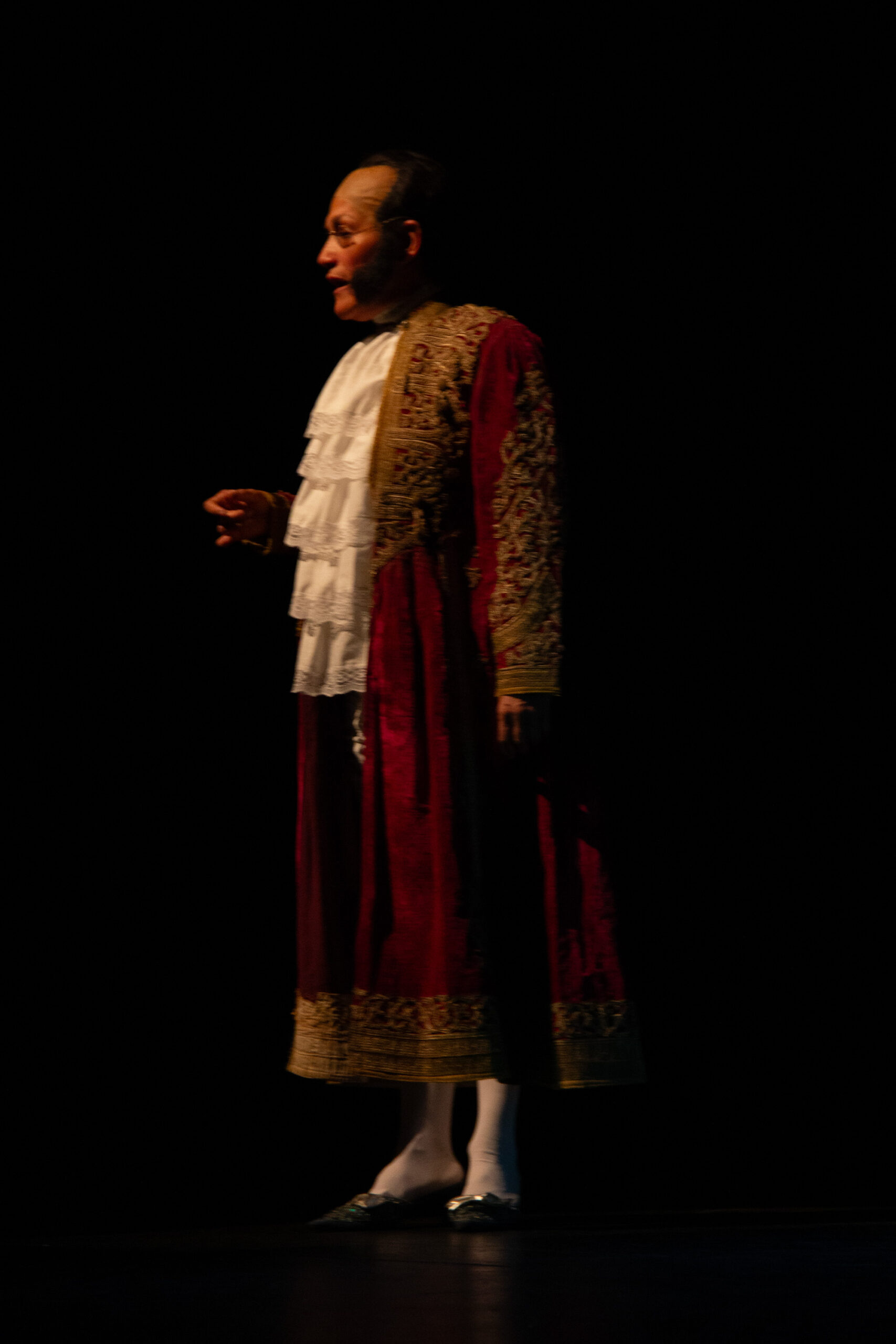
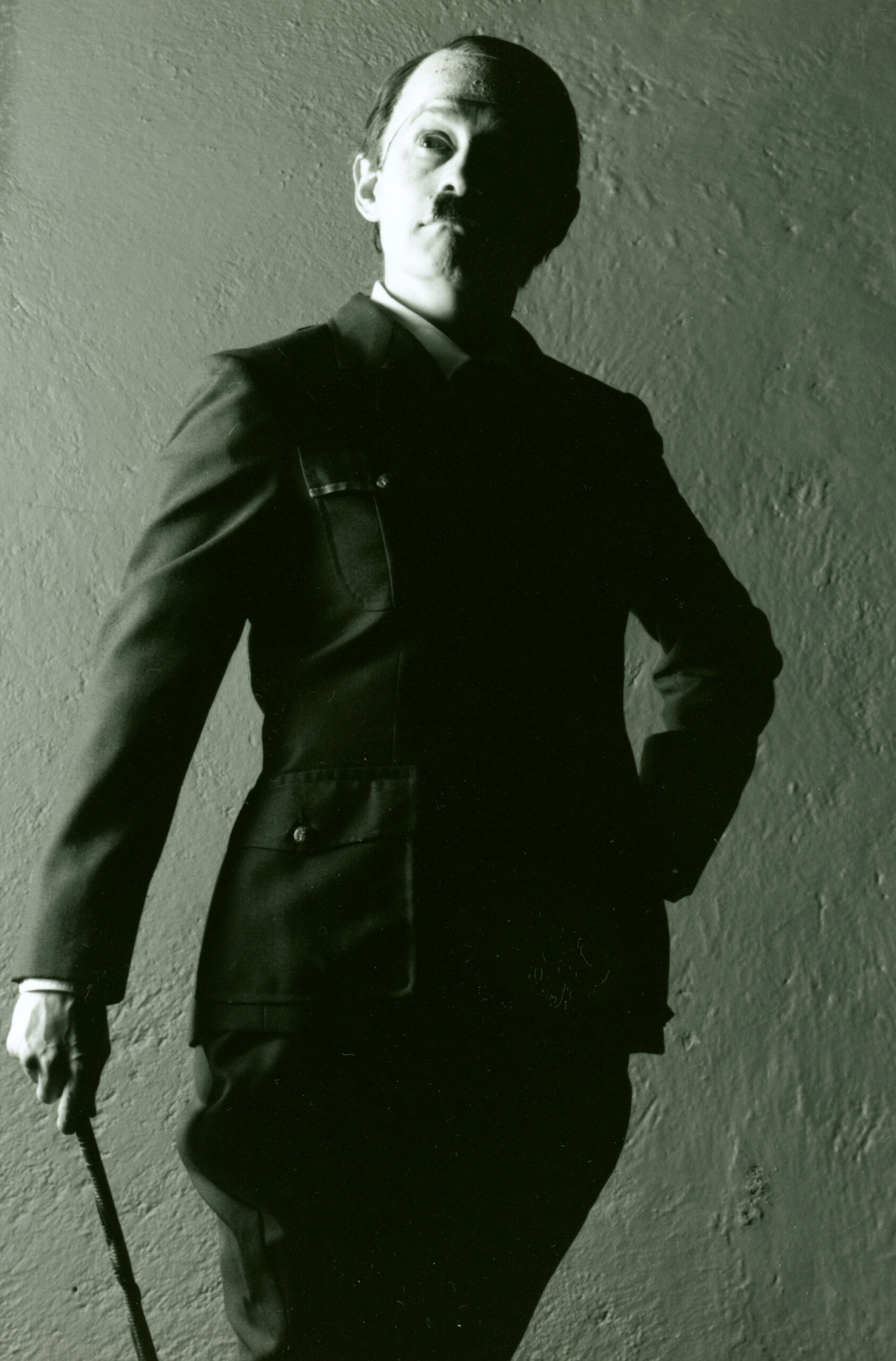
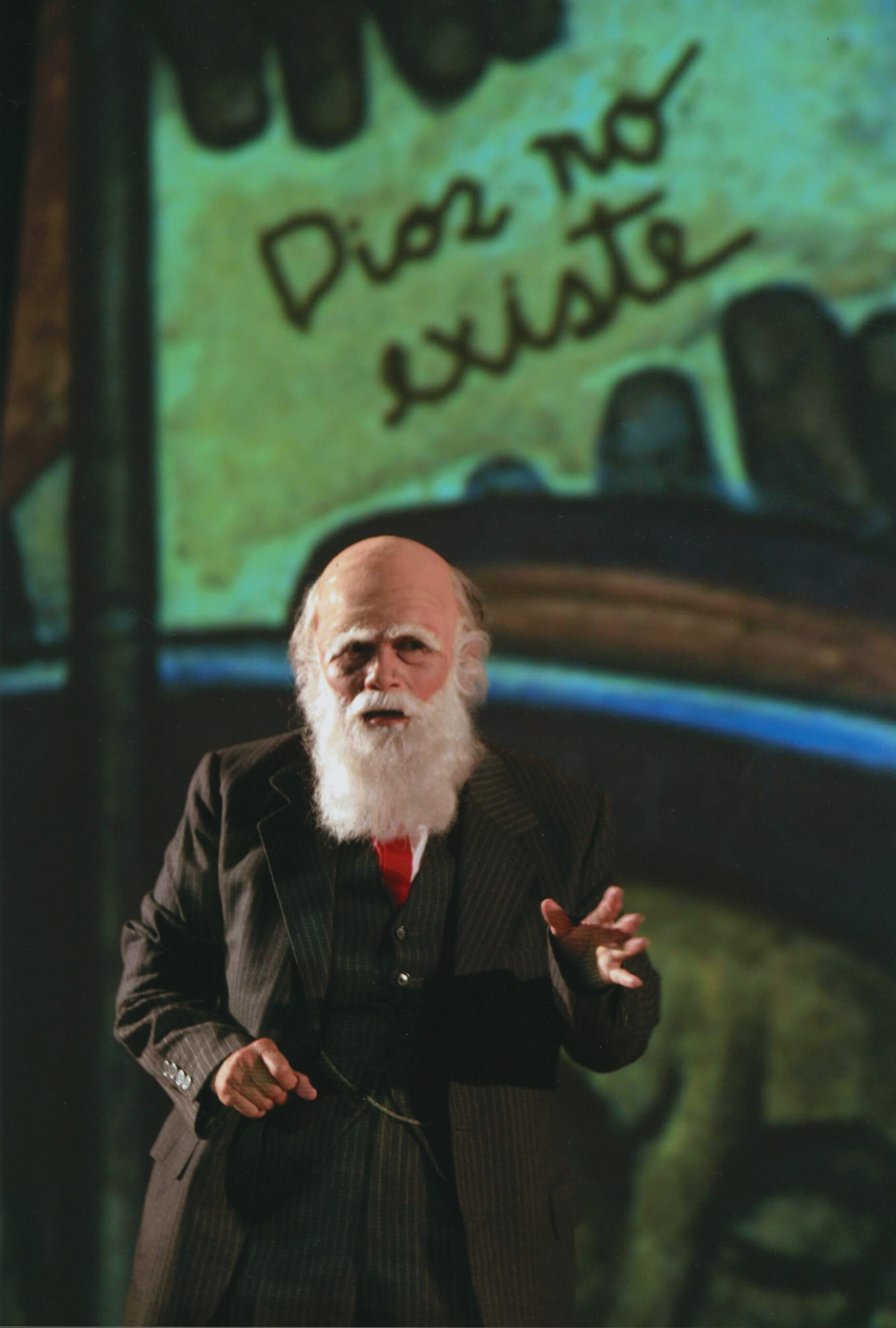
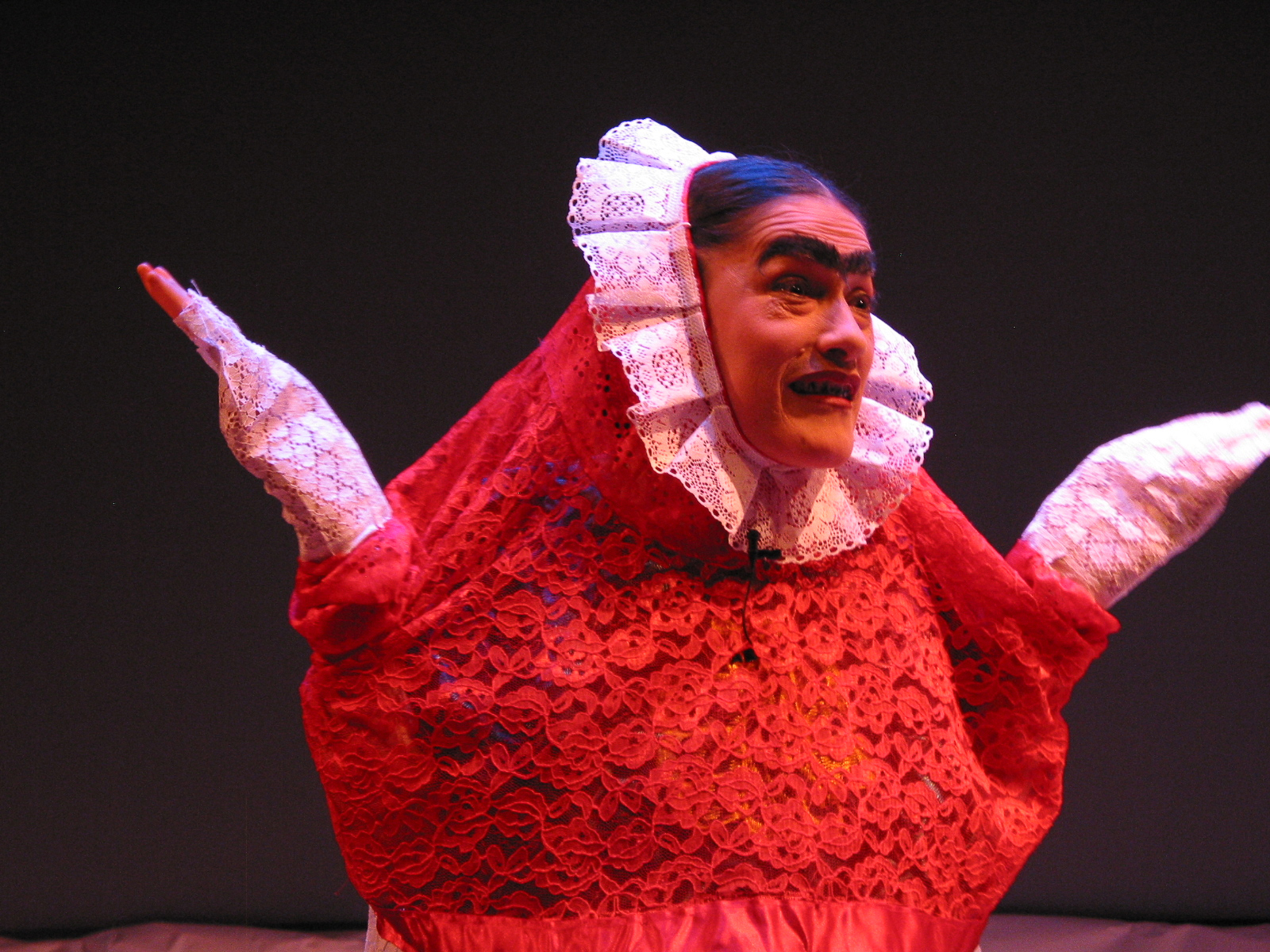
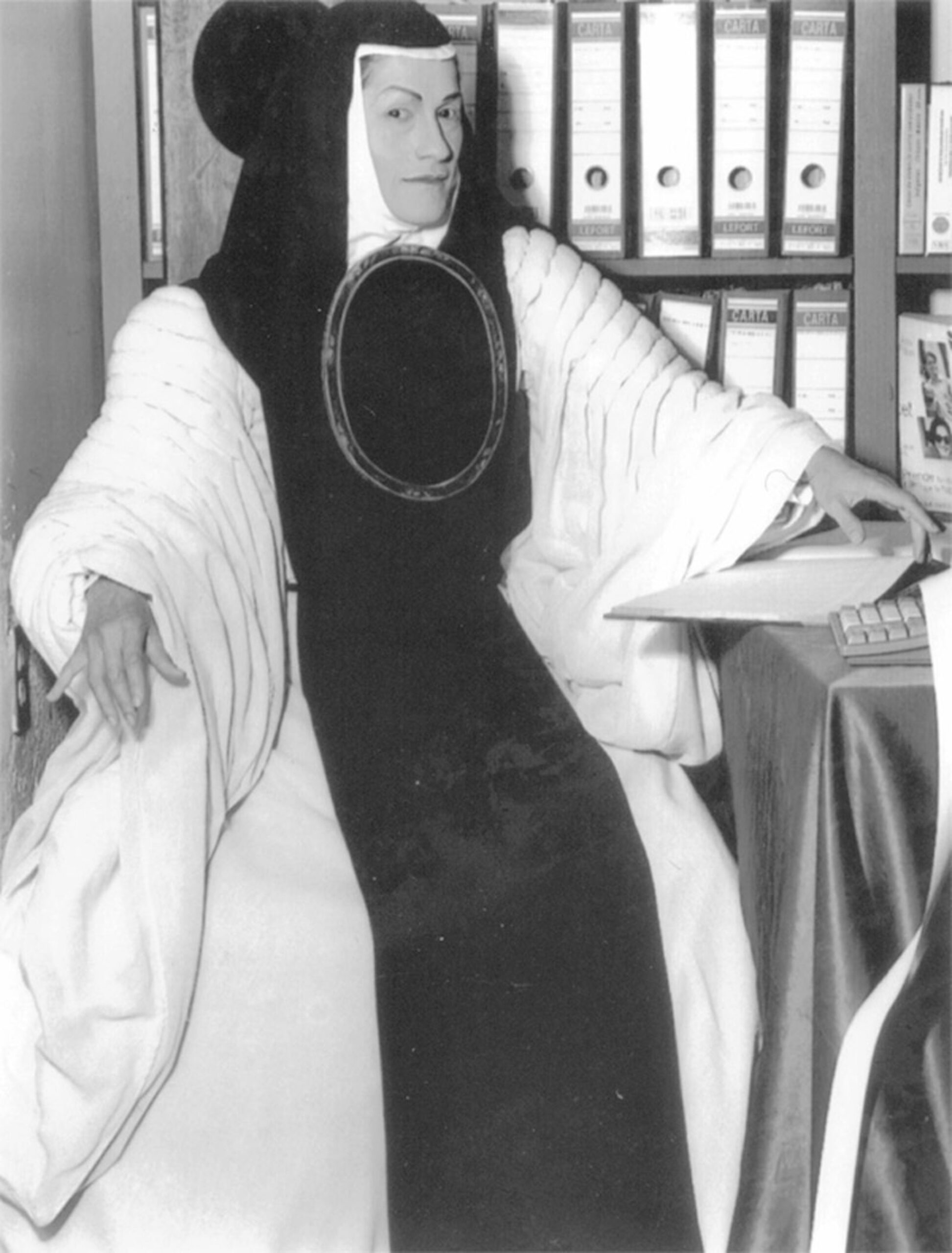
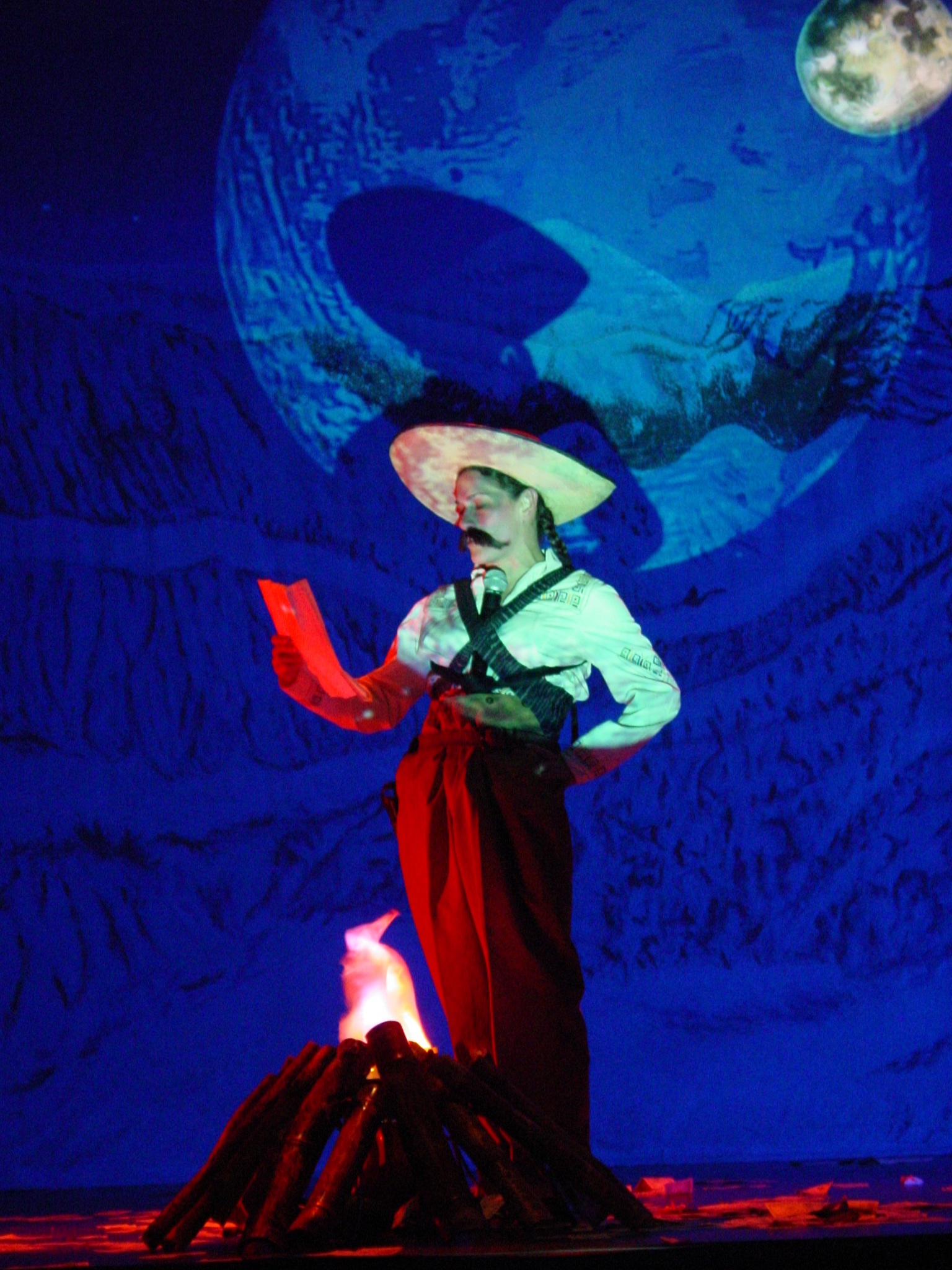
Onstage, she has morphed through hundreds of personalities: the 17th century nun, Sor Juana Inés de la Cruz, Charles Darwin, Malinche, Donna Giovanni, Hitler, Leonardo da Vinci and many other famous and infamous luminaries.6 She embodies non-human figures including God, Coatlicue, animals, and corn. Jesusa has created and presented over three hundred impersonations and political critiques in her cabaret alone. She has translated, directed and acted in operas and classical theatre—from Mozart to Shakespeare to Yourcenar.
Each of these figures allows her to go beyond the boundaries of what she knows, to explore other ways of being and doing that connect the human to the other than human. They also allow her to savage not only the brutal sexual mores that cripple patriarchal families and society but the powers of the church and the neoliberal state.
Jesusa’s work has also transformed social space. The performance venues that she and Liliana opened from 1980 through the 2000s helped revolutionize performance practice in Mexico.7 El Fracaso (Failure), El Hábito (The Habit), and La Capilla (The Chapel) created necessary spaces for being otherwise and engaging in hilarious but sharp social critique. Later, as an activist, a national senator, and now advisor to the President of Mexico, she realizes that the street, the senate and the arena of the national are just one more stage. “A stage is a stage. It has its rules and norms.” She knows that life, like art, like politics, is an unending process of creative energy, that “every single day one starts anew.”8
Jesusa’s investigations into Mesoamerican acting techniques gave her a vocabulary to describe the energy forces that enabled the transformations she experienced through acting.
“When people would ask me how I developed my characters, I’d say well, I never imitate… I simply work with what I remember of the character. Little by little, through the ideas of the ancient Nahuas, I started making connections, because they say that the ‘nagual’ is a soul that leaves your body and can steal another person’s essence—or it takes a bite of their essence, and then takes hold of them, of their substance…. then you can reconstruct that person inside you and let it express itself.”
The Nahuas, commonly known as Aztecs, had a “different worldview and understanding of the human body. “When you name and rethink your body in a different way, which isn’t the way you’re used to, you feel other things. You feel it in a different way.”
I listen. I read. Over time I’ve come to understand what nahualismo offers Jesusa. The more I’ve reflected over the years, the more I’ve come to understand that nahualismo, a theory of transformation, has much to offer us as artists, as theatre practitioners, and as humans. It can transform us and save us as a species.
Energy links all that exists— a world and cosmos in constant motion according to James Maffie.9 Everything transforms, and everything exists in connection to everything else. Humans and all else share energy, a co-essence.
Nahualismo comes from ‘nagual,’ one’s sprit animal, companion, or guardian. Humans have at least two bodies. This entails “a type of shared animality,” according to Roberto Martínez González.10 Naguales too can take animal form, but they are not animals. They have some tell-tale features if one knows how to recognize them. But they are not representations of an animal, nor simulacra. If one’s nagual is killed or seriously injured, the human can suddenly fall ill or even die.11 This energy or essence “animalizes itself to act in the human world.”12 Humans, after all, are animals.
This ‘other’ body, our nagual, shifts shape and takes on various temporary identities. Although naguales are usually thought of as animals, the most powerful are meteorological– a lightning bolt, wind, or fire.13 Mesoamericans consider environmental degradation a form of genocide, not ecocide. Humans, after all, are nature.
Naguales can be individual and/or collective, benevolent and/or brutal.14 They usually protect their humans and communities but can turn against their own people. They can enter and ‘nahualizar’ (transform) “humans, the gods, and animals” altering them for good or ill.15
Nahuatl, the language of the Nahuas, has no verb ‘to be’ challenging the Western concept of ‘identity.’16 There is no ‘is,’ no static identity or reality. We are always becoming rather than being.
Essence stems from action—we ‘are’ what we do, and not the other way around.17 We do constantly, and we can do differently. This philosophy counters the prevalent cultural, economic, political, and existential order that has trapped us in this isolationist and neoliberal quagmire of ‘There is no alternative.’
The co-essence linking human to the nagual never dies. When the human or animal dies, it goes to a special place where it is scrubbed clean of all personal characteristics, memories, and histories and transferred to another being born of the same species or kind.18 Energy in motion, humans and naguales keep transforming.
While, as Jesusa had warned me, this sounds a bit exotic, the theories Jesusa explores and enacts speak to phenomena that most of us, not just performers, encounter in the West. In many ways we know, through experience, that we have more than one body. Western literature is full of examples of our ‘other’ bodies: the aging portrait of Dorian Gray; Jekyll and Hyde, Gregor Samsa, Frankenstein.
Biologically, our flesh bodies age and transform as we go through life.
Psychologically or spiritually, we might, like Gloria Anzaldúa, refer to a “dreaming body,” an “imaging body” or “nepantla-body.”19 The tonalli, considered by the Nahuas as the animating force lodged in the head, leaves the flesh body at night and travels the interconnected worlds.
Psychiatry has a diagnosis for multiple personalities disorders, dissociative identity disorder. Those suffering from DID can have “two or more distinct personality identities, each with its memories, characteristics, and attributes.”20
Socially, we have at least two bodies—the symbolic and the ‘actual.’ The field force or ‘aura’ around a luminary figure may have little to do with the individual. Religious fervor, for example, might turn a carpenter into the son of God. Celebrity or cult status might encourage wannabes to embody their idol’s look or style—Evita’s panache, Kylie Jenner’s now ubiquitous puffy lips.
Politically, groups such as the Zapatistas assure continuity by keeping names and spirits alive. Sub comandante Marcos takes the name Galeano after the last bearer of the name was killed—Galeano lives, his energy lives, through naming. The “Votan”… guardian and heart of the world” lives on in other bodies, a bridge to the future.21
Evita’s body became hot property after her death; replicas were made so that would be thieves would snatch the fake.22 Images of body parts and invocation of a leader’s body can energize constituents even after the leader’s death. Hugo Chavez’s eyes postmortem haunted Venezuela.23
6
And these symbolic fields can be negatively imbued with racial, classed, gendered, homo-and transphobic (to name a few) valences that can harm others.
We also of course have electronic bodies—not just our avatars and online personae but also doubles such as government surveillance and medical files, banks accounts, police records, social media accounts—that can wield live-threatening power independent of our biological bodies.
We have many ‘bodies.’ Although they’re not all ‘naguales,’ as the Indigenous communities call them, they nonetheless have enormous power to tap into the individual and social body, transforming them for better or for worse.
Some exceptional humans, ‘human-nahualli,’ have a stronger, more powerful essence and “can use their counterpart … at will.”24 They can control and willingly inhabit their nagual’s shape to cure or hurt others. They can tap into others’ energy and use it as their own. The human-nahualli, though a special being at birth, needs to hone or train these skills to possess the necessary qualities of a ritual specialist (or actor/politician/cult leader and so on) to wield their considerable power.
The nagual’s capacity to transform seemingly “magically into an animal or natural phenomenon,” can augment the nahualli’s social and political power.25“[A 16th C.] cacique, in order to make his soldiers happy, became an eagle and went into the sea, showing that he was also conquering the ocean…”26
Nahualismo, clearly, is a highly powerful and ambiguous force. Not just a “magical practice” and a “cosmovision,” as Federico Navarrete points out, it can also include the “deception and dissimulation” usually associated with acting and political posturing.27 The etymological roots of nagual point to “a relationship of union, covering, contour, surface, garment… what I have on my surface, on my skin, or around me.”28 The nagual, then, can be a skin one puts on, a role, a guise, a dramatic transformation that takes on the surface appearance or ‘garment’ of another.
Human-nahualli’s might use their ‘superior’ strength and talent to impress their followers and stun their enemies. They can tap into other’s fears and desires, using them to power their own ambitions. Social and political transformation relies heavily on performance.
A list of similar exploits by powerful figures would include historical and contemporary examples, although they would be thought of not as ‘naguales’ but in the language and framework of their own socio-cultural and political contexts. ‘Genius’ or ‘schizophrenic’ or ‘possessed’ or ‘cult leader’ might refer to individuals with seemingly supernatural or mystifying powers. Even those who do not drink the Kool-Aid look on in terror.
Our conversation over twenty-five years ago further prompted me on my own journey deep into ancient Mesoamerican thought. As a performance studies scholar who has long lived in an Indigenous town in Mexico where Nahuatl is still spoken, the fascination is personal as well as scholarly. What would we do differently if we took even some of these concepts seriously, if we acted on them? How would grasping this co-essence enable us and communities to survive not only five hundred years of colonialism, but the current rising authoritarianism and threats of extinction? If we accepted that we humans are animals, are nature, would we continue to kill, eat, and abuse animals and destroy our natural environments? These are not just moral and ethical imperatives; they are survival imperatives.
For ancient Mexicans, energy links and powers all that exists. “At the heart of Aztec metaphysics… there exists just one thing: continually dynamic, vivifying, self-generating and self-regenerating sacred power, force, or energy… teotl,”29 writes James Maffie. ‘Just one thing’ yes, but with endless variations. The illusion of distinct and at times opposing elements are part of its ceaseless motion. “The continual becoming of the cosmos and its myriad aspects are teotl’s shamanistic self-masking and self-disguising.”30
Maffie’s use of theatrical terms such as self-masking and self-disguising is relevant. Energy transforms, acts, does on a cosmic level. The cosmos shapeshifts.
Performance, on an earthly level, also functions as a means of transformation, of connectivity through movement, gesture, corporal expression, language, sound, and smell for human and non-human creatures. Shamans and artists have the power to give embody and enliven forces that we cannot ordinarily or always see. Maffie sees them as always creating, transforming the ‘new’ out of what was there before. The shaman and artist may become ‘other’ by shapeshifting when the spirits or their art practices move them, but they do not remain ‘other.’ Once the ritual or ceremony or performance is completed, they resume their habitual place in their societies. But, as Jesusa stresses, they must take the risk of transforming, going over into the unknown.
The cosmic and the earthly dimensions are linked. The fluidity between them reveals not only the coexistence of multiple worlds/states/realities but the entangled nature of the form-changing universe itself.
Mesoamerican ‘transformation’ expands Western theories of acting, of performing, of becoming, doubling, beyond the conventional frameworks of representation and imitation. Unlike Enlightenment theories of transcendence that rely on static concepts such as individuated, self-referential subjectivity, nature/human dualism, and ‘universality,’ the primacy of an eternal, divine Being, the Mesoamericans developed a “metaphysics of Becoming… [that identifies] the sacred with the mutable, evanescent, and perishable, and hence with the changing world around us.”31 Because everything is process, movement, there exists no true/false. No imitation or representation. No ‘original.’ People, the elements, the universe shift shape, become other, because they share an essence—or energy.
Transformation, not change, then, is key to Mesoamerican thought. Change implies two different ontological categories, while transformation maintains ontological sameness although it can have many guises. The butterfly transforms from the chrysalis; they share the same essence but they’re not identical. Daphne transforms (or metamorphosizes) into a laurel tree—but her essence remains unchanged. These are examples of non-ontological ‘change’ I think of as transformation.
8
In nahualismo, as in shapeshifting, the energy is one and the same; the variations are linked but not identical.32 If humans take an animal shape, they do not ‘become’ the animal or become ‘one’ with the animal—they remain aware on some level that they are (and remain) human.33 Their appearance transforms, but not their essence.
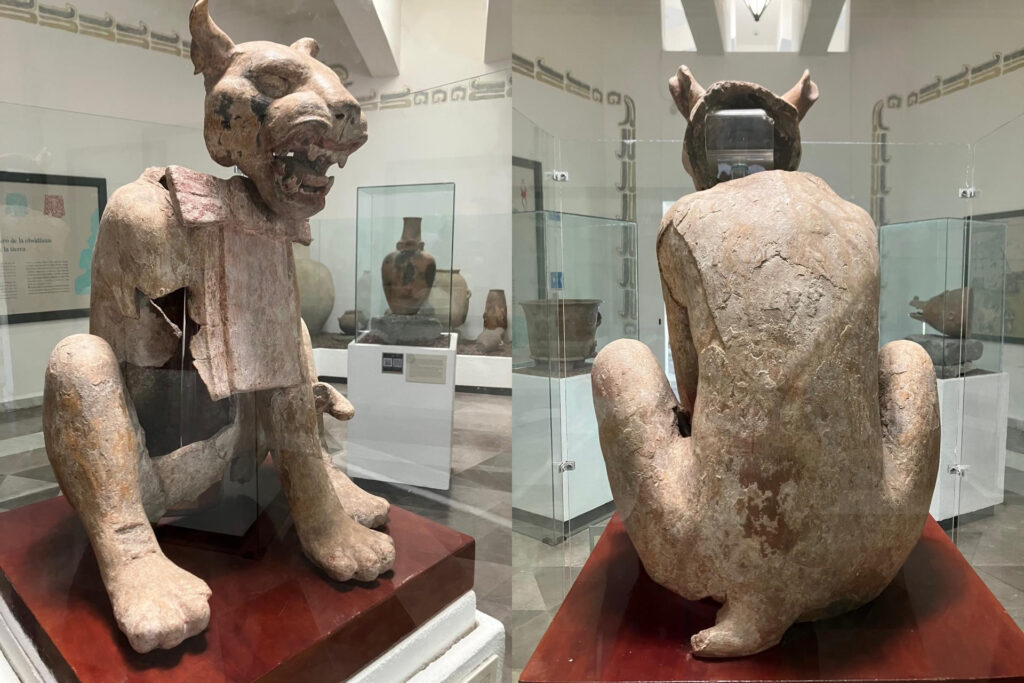
The ramifications of this essential ‘oneness’ prove difficult for Westerners to grasp, especially as early chroniclers and most subsequent accounts translated concepts into their own familiar terms, gendered practices, divides, and hierarchies.
Instead of highlighting the Mesoamerican concept of entangled, dueling forces, commentators have historically separated them out and labeled them ‘masculine’ and ‘feminine’ respectively to conform with Western gender hierarchies.34 However, in nahualismo there is no gender as such, no separation exists between them, just as no separation exists between the ‘sacred’ and the mundane. The sacred is everywhere present.35 So too, humans are not considered individuated, ‘unitary,’ or ‘singular’ beings but “the complex and mutable product of diverse entities and supernatural forces.”36 Several Indigenous languages do not distinguish between humans and animals—in Nahuatl they both fall into the category of “los vivos” (the living).
What does a ‘nahualist’ resistant performance practice look like? 9
Shapeshifting remains a living, powerful, and resilient force throughout Indigenous and non-Indigenous communities in the Americas.37 Alfredo López Austin writes of a ‘nucelo duro’ or hard nucleus that make many of these ancestral concepts “resistant to change.”38
Native Canadian artist Tomson Highway (Cree) considers the Trickster the collective and essential force of cultural survival. Highway’s trickster, “a spirit half-human and half-god” and “part animal,” like the nagual, looks after his people. He argues that “The Native Trickster… is a shape shifter. S/he can change into and be anyone or anything.” “In Cree and other Algonquian languages, the world is Mantoo, meaning Spirit, not a ghost but an energy’—represented as neither a man nor a woman but a thunderbolt.” “Even when confronting the ‘horrors of European history,’ the ‘Indigenous collective racial memory of this catalogue of misery, this collective crime of the dreaded human race,’ this energy persists…”39 As such, the trickster figure contributed to Native survival, “sav[ing] an entire race of people.”
American poet Joy Harjo a member of the Muscogee Nation writes in her poem Shapeshifter of the boy who transformed into a deer: “I am a white deer, he said, as he escaped through the trees. I am the first light of awakening and the last light of leaving.”
Davi Kopenawa (a Yanomami shaman, Brazil) in The Falling Sky talks about when his “animal ancestors transformed. Thanks to my shaman elders, I learned how to call them. I see them, I share my life with them, and I listen to them.”40 The spirits can shift shape and even take on the essence and power of others.41 White people, “’the People of Merchandise,’ don’t understand or respect the spirits or the forests… They persist in destroying it. We are dying one after another, and so will they. In the end, all of the shamans will perish and the sky will collapse.” He begs his interlocutor, Bruce Albert, “You must hear me—time is short.”
For Chicana Gloria Anzaldúa “nahualismo is an alternative epistemology” (32), part of “the oldest known religious practice, one in which the shaman or nagual undertakes a ‘journey’ (or trance journey) to the underworld, upper world, or other worlds…42 For Anzaldúa shapeshifting maintains the same essence although the appearance may change: “the creative process is an agency of transformation” (35).
Nepantla, for Anazldúa, is “the place/space where realities interact and imaginative shifts happen.”43 This understanding of ‘nepantla’ denotes transformation, as Anzaldúa pointed out. While she draws, in part, on the ancient Nahua cultures, evidenced by her first published poem ‘Tihueque’ (from Nahuatl for “Now Let Us Go,” 1974),44 she uses that cosmovision to guide her lived experience: “Nepantla is the point of contact y el lugar between world—between imagination and physical existence, between ordinary and nonordinary (spirit) realities” (2015, 2). While it seems as if Anzaldúa reaffirms Western binarism, nepantla offers her a means of transcendence and transformation. “I use imaginal figures…” in nagualismo and its connection to nature spirituality…. I attempt to show (and not just tell) how transformation happens” (2015, 7).
*** 10
Nahualismo expands 20th century notions of transformation in Western performance. Jesusa suggests we invert the traditional perspective of looking at the non-Western from the vantage point of the West:
“We are always thinking about how to decolonize ourselves because everything we have learned in school comes from Europe, from the West, and here we have an extraordinary culture that is still alive and continues to offer us a different worldview. Why do we use European acting techniques? I don’t mean to say that Meyerhold’s or Stanislavski’s or Grotowski’s research is not good. But why don’t we look for an acting technique based on our culture which is so rich and so different?”45
Theatre artists such as Stanislavski, Meyerhold, Brecht, Artaud, Boal, and Grotowski to name a few, worked extensively with the actor’s body, on training, on the epistemic, social, and political dimensions of social change. Stanislavski and Meyerhold focused on developing methods for the actor’s physical action and bio-mechanical training. Others aspired to progress, not transformation.
Brecht advocated for a theatre that sharpened the audience’s critical perspective by “turn[ing] out effective representations of reality.” When faced with obstacles, people would then know how to overcome them, a theatre for a “scientific age.”46
Augusto Boal asserts that “Change is imperative!” Spectators must take on the role of spect-actors and assume an active position to ensure positive change.47 He developed ‘Theatre of the Oppressed’ (TO) in the 1970s as a rehearsal for political change and revolution. His exercises focus on helping people become active participants in changing the obstacles in their lives, envisioning better outcomes, and working to achieve them. His ‘transformation of objects’ invites people to re-imagine quotidian objects.48 Take any object, say a water bottle. What else can it be? Using only body language, participants jump up one after another to act out alternatives as group members guess. A telephone! A shower! A rolling pin! To enact change, we must first be able to imagine change. Though invoking transformation, for Boal (as for Brecht and others), transformation means change, possibility. There is no lasting essence except, perhaps, change itself.
These traditions draw from the Western concepts based on dualisms (stasis/motion; passive/active; true/false) and notions of reality, personhood, and subjectivity as knowable, ‘changeable,’ and in some sense perfectible.
Jerzy Grotowski’s theatre seems, in part, to highlight transformation although he never uses that term, choosing rather terms such as ‘transanimation’ and ‘transubstantiation.’49 His work deeply interrogates the actor-audience relationship: “The actor makes a total gift of himself. This is a technique of the ‘trance’ and of the integration of all the actor’s psychic and bodily powers which emerge from the most intimate layers of his being and his instinct, springing forth in a sort of transamination.’”50 His work seems to resemble what I write about nahualismo and transformation. Take his concept of the I-I. As Dominika Laster explains: “I extend myself, cross the limit of my self, through the other, through and with my bliźni, my Twin, my brother, to realize fully my own being.”51 Unlike the nagual, or nahualismo, this is a strictly human 11
connection (bliźni translates as ‘fellow human’), and it reaffirms the dominance of one’s ‘own being’ as opposed to shared essence.
Jesusa also notes that Grotowski’s identification of the solar plexus as a vital center of energy for the actor might resemble her identification of the ihíyotl or liver as the vital force field. Again, the goal of tapping into these energy forces differs. Grotowski’s focus on the solar plexus trained his actors to gain strength and conscious control of their emotional, intuitive, and spiritual selves. His focuses on the actor’s training and connection to his audience. The ihíyotl, and energy force concentrated in the liver for ancient Mexicans, provided the means of transformation into other beings, human and other than human.
Although the practices might have similarities with nahualismo, the goals are very different. Grotowski’s work transmits a deeply human-centered philosophy—individual, interconnected, and even transgenerational (as in his ‘ancestral memories.’). While this speaks to human interconnectivity, it is not about transformation. When Grotowski went to Mexico on this “Theatre of Sources’ project in 1980, he wanted to work in a “charged” place.52 Largely guided by Mexican theatre artist Nicolás Núñez, Grotowski held a workshop in the lands of the Huichol, now called by their own name, the Wixáritari. Although not wanting to interrupt their practices or partake of the peyote ceremonies, Grotowski and his group of fifteen actors were not welcome. They came not to learn or communicate with the Wixáritari but to observe and be inspired, as related by Núñez and Jaime Soriano, who accompanied Grotowski. “The Huichol speak about the presence of gods… In fact you can see them in the way they walk… that was very interesting for Grotowski,” Soriano recounted.53 Soriano, who had learned the walk by following an Wixáritari elder, taught the rest and it was incorporated into Grotowski’s methods such as ‘positions’ and The Motions. Grotowski was interested in the physical manifestation of this Indigenous philosophy rather than the thoughts or people themselves. If anything, as Mexican critics of Grotowski said at the time, he came to use the Wixáritari as a source for his Theatre of Sources.54
Antonin Artaud ventured much deeper than his European contemporaries into Amerindian practices and in 1936 visited the Tarahumara (the Rarámuri as they name themselves) in the Sierra Madre of Mexico. He knew there were other interconnected dimensions to be explored: cosmic, human, other than human, elemental. “Life,” he sensed, “maintains its continuity through the transformation of the appearance of being.” That’s why he said, he came to Mexico.55 Artaud’s ‘appearance of being’ resonates with the notion of the “self-transforming shaman and artist.” Being, energy, can only be apprehended through its multiple, shifting appearances. This metaphysics transforms what he sees as a moribund Western theatre. Artaud recognizes “culture-in-action … growing in us like a new organ, a sort of second breath.”56 And it connects us to the essence in everything around us, “the true spectacle of life.”57 Shapeshifting means being in motion, communicating, surviving, and acting. Art, for him, was a ‘doing. Culture was not separate from life, but organic and integral to the expanded understanding of life itself: “Mexicans seek contact with the Manas, forces latent in every form…. springing to life by magic identification…”58 (Artaud, 11).
***
While theatre artists have worked extensively with the power of change in its epistemic and political dimensions, Jesusa also recognizes shape shifting as ontological, as her way of being, 12
knowing, and acting in the world. No matter what the issue, she acts knowing that she is/has a force that interconnects with everything around her. She is an extraordinary actor, transforming before the audience’s eyes into the vast variety of characters mentioned earlier. During her play, ‘Juicio a Salinas’ (The Trial of former President Salinas), people recount how some audience members stood up, outraged, and shouted during the performance thinking he was, in fact, onstage. While every one of her impersonations or interventions may be an ephemeral gesture, the transformational acts never disappear or end; they capture the essence of the moment to then always morph into something else. “Every day it starts anew…” The second performance, the third performance, the new context, challenges, or interlocutors. So, the many lives of performance and knowing through and as performance are also ways of knowing in and through the never-ending process of transformation, through interrelatedness, through nahualismo.
Jesusa, like Artaud, seeks a way of transgressing the limitations and binaries of Western thought. Instead of the ‘Theatre and Its Double,’ she writes the ‘Theatre and Its Nagual,’ (included here), part homage to Artaud, part distancing herself from Western optics.’59 While she aspires to develop a ‘Nahua Acting Method,’ she doesn’t really believe you can teach anyone a method, and she hasn’t had time for a formal long-term practical investigation with other actors that might be called a ‘school’ or laboratory. She speaks of her work in cabaret as a “clandestine laboratory,” where she tries out techniques without her audience noticing. They pay, she knows, to be entertained. What she seeks, I would venture, is a far broader, more politically engaged, artistic strategy for personal, cultural, and environmental survival. Like Tomson Highway, performing and creating laughter are her ways to combat extinction. “The mere fact of laughing,” she says,” has always seemed to me to be a critical way of assuming the human condition.”60 Like Gloria Anzaldúa, she acts knowing that she is/has/contains a force that’s entangled with everything around her.
***
Jesusa’s entry into the Mesoamerican world was, in a sense, accidental. When she was seven years old, she got lost on her bike and stumbled on Cuicuilco, one of the most ancient archaeological sites in the Americas (c. 1000 BC) located on the outskirts—back then— of Mexico City. The deserted site spoke to her. She sensed the power of place.
“Cuicuilco is perhaps human’s first attempt to connect themselves with the universe.
It’s been my place for everything—work, reflection, rest, illumination, everything”61
Mesoamericans communicated principally through stone, sculpture, architecture, not through writing. Walking (literally) on the ground in many parts of Mexico, one can feel the force of ancient civilizations that lie beneath our feet. Artaud noticed these “open forces”: “You don’t have to push very far in a Mexican landscape to feel everything that comes out of it. It is the only place on earth that offers us occult life, and offers it on the surface of life.”62 That force lives, preserved and emanating from the stones that continue to resist, communicate, and sustain much of Mexico. Cuicuilco’s pyramid, stelae, kiva (or circular meeting room), and stairways, had been left unguarded, neglected, and largely unexplored. Once Jesusa found it, she never left.
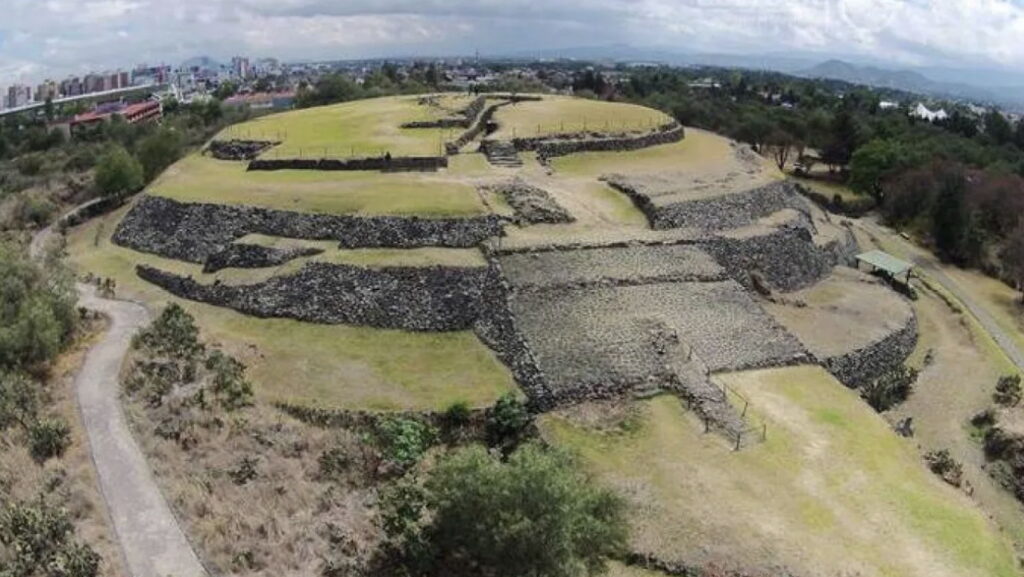
As a child, she decided to become an archaeologist, going to Cuiculico, exploring, studying, and learning to balance stones. But theatre kept pulling at her. Later, as a theatre practitioner, she would go to Cuicuilco to create and rehearse plays. Although trained in European theories and methods, she continued to explore practices stemming from Mesoamerica. She read deeply and studied informally with Mexico’s most eminent anthropologists and archeologists and worked closely with Indigenous communities to learn about ancestral traditions they continued to enact.63 Around the late eighties, early nineties, she started wearing gender-defying Indigenous clothing—male pants of white cotton (manta), embroidered, loose fitting blouses (huipiles) and huaraches.
Her early entry to nahualismo began in Cuicuilco in 1980. Malinche, one of Jesusa’s iconic characters, took possession of her.
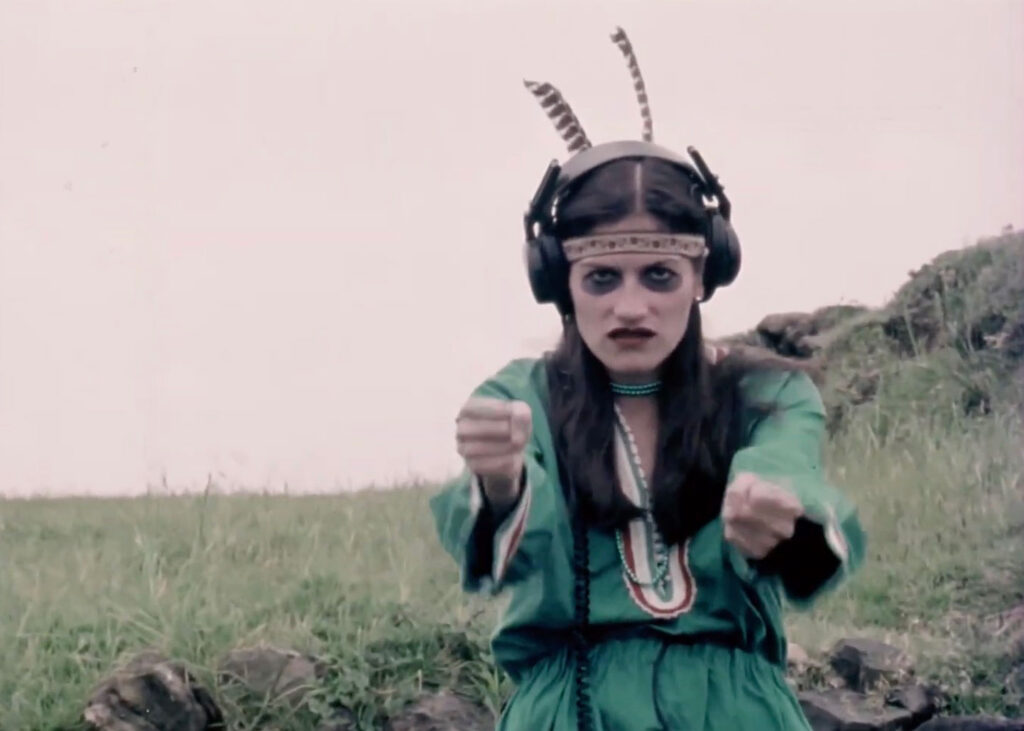
Jesusa’s Malinche, a character that recurs throughout Jesusa’s career, offers a particular perspective of Mexico—one from ‘below,’ from the despised, the Indigenous, irreverent, female. Malinche, the 16th century Indigenous woman who served as translator/ strategist / consort to conqueror Hernán Cortés, gave birth to their son and, most claim, the birth of the ‘mestizo’ race. Greatly reviled in Mexico, she has historically been blamed for everything, from the conquest to the purported self-hatred of the Mexican people (read men) postulated by Octavio Paz. Malinalli, Malintzin, and Marina are the names she’s known by historically. Paz refers to her as “La Chingada” (the fucked one) and says that Mexicans will never forgive her betrayal.64 “Malinche” is a curse.
Jesusa joyously embodies Malinche, the go-between, the “first cunnilingual trinslator of the Americas,” as she calls her, to make fun and critique just about everything: political malfeasance, gender, sexual, and racial violence, corruption, contamination, the media, censorship, self-censorship, historical distortions, and the assault on Indigenous ways of knowing and being. Malinche, like the Indigenous peoples in Mexico, continues to see the political flimflam clearly. She resists and keeps on laughing. Now, it’s her turn to speak, wearing the headphones of a local newscaster on her show, “In Direct Silence.”65
Malinche is hilarious as she performs and re-performs the ever changing yet ongoing history of conquest and resilience. As witness and chronicler of an ever-shifting catastrophe, she is saucy, 15
complicit, opportunistic, and comically devious. Through her sly humor, her twisted use of language and play on words, her feigned knowledge and feigned ignorance, Malinche manipulates everything around her to survive. Language, for Jesusa as for Malinche, is a weapon: “A mi me pagan pa’ decir” (they pay me to say), says Malinche. “Rodríguez-as-Malintzin-as-teller queers this ‘tongue’ in a long drawn-out joke that is as much about pre-colonial patriarchy – Nahua leaders were always men, known as Tlatoani, which means “He Who Speaks” – as its colonial and post-colonial afterlives.”66 She now has the word. But to say what? Truth to power? Not exactly. The gibberish, distortions, and misinformation reveal that rapacious corruption and double-speak then as now, continue unabated. The leaders’ garbled names change—Moitezuma, Zedillitzin, Kissinger, as do the place names, Tenochtitlán becomes Tecnocratlán. Apparent anachronisms underline the fact that conquest and dispossession are always present, under another name and landscape. And that’s the truth Jesusa speaks to power. Against all odds, Jesusa and Malinche speak, in direct silence.67
Why does Jesusa continually incarnate her?
“Malintzin, Malinalli, Marina, wrongly known as La Malinche, is a character that I have represented repeatedly. I’ve never been able to leave her. For at least 40 years I have been adapting her to each moment of our history; it could be because we are always being conquered. The fact is that every time she comes back stronger and stronger. I’ve come to think that she is one of those characters that takes a part of you. Sometimes you must give characters back everything they have given you, even if that means losing a part of your own being.
After all, a character is also a nagual who inhabits us and calls us from the deepest part of nature.
Welcome Malintzin, whoever you were. You have also given me a little bit of yourself. I know you in my own way, although when you pass through the liver, something else of your life is revealed. Thank you Malintzin, whoever you were, whatever your name was and wherever you died.”68
Malinche, Jesusa’s ‘nagual’ shares an essence with her—both have given each other “a little bit” of themselves. The continual conquest Malinche refers to in 1985 was the unbridled expansion of capitalist projects, the economic crisis of 1982 that left millions destitute, the imposition of IMF financial austerity measures, the then upcoming World Cup, and the desecration of Indigenous sites and epistemologies. The devastating earthquake of 1985 that converted Mexico into a ‘disaster zone’ was mere months away, but the ineptitude of the then Mexican government was plain for all to see. As Jesusa/Malinche stands on the pyramid, Cuiculico has already been engulfed by the gargantuan city and surrounded by huge commercial projects built on and over swaths of the ancient site.
While Jesusa seeks to connect to the ancient Mesoamerican cosmologies, she is a thoroughly contemporary creator. Her objectives are present and future oriented. One goal: to “re-Indiginze” Mexico and Mexicans through the process of nahualización.69 By accepting that humans are not the center of the universe, that everything is alive and interconnected, we are becoming 16
nahualizada/os. The verbs to nahualizar (others) and nahualizarse (a reflexive verb meaning to transform oneself) capture the ability to shift shape, positionality, and identity (including gender identity) through metaphysical transformation. Jesusa embraces the potential of nahualismo and performance, and invites “spectators [to] confront their own capacity for transformation–male, female, bird, shoe, or whatever…”70 Not recognition. Not identification. Transformation.
Does Jesusa’s embodying Malinche or advocating that audience members transform into other animate and inanimate life forms, ask us to reconsider Western notions of ‘authenticity.’ Can Jesusa, or anyone, transform themselves into something else? Even if she could, does she have a right to do so?
Those questions require parsing. Can humans transform? It depends perhaps on whether we believe that form follows function, as the Mesoamericans held. Are we the product of our acts, capable of making decisions? Or subjects with a stable identity, our acts and attitudes prescribed by our context and position? The question of whether we have a right to act as if also goes back to Western philosophy based on dualism of true/false, is/ as if, and so on. From a Mesoamerican perspective, that envisions everything as the entangled, ever-changing manifestation of one energy, the notion of singular identity and authenticity holds no sway. Everything transforms, everything is connected—there is no ‘singular,’ ‘original,’ ‘true,’ or ‘false.’
Most of us reading this, however, are not products of Mesoamerican metaphysical thought, so the question means something different. The context clearly determines the politics of the question. From this perspective, practices such as acting, shamanism, and nahualismo all entail transformation. Yet each depends on its social context for meaning making. Naguales, for example, exist as a living presence in the Indigenous social and philosophical worlds that embrace them. “Naguales don’t exist without a society that validates them.”71 For people outside those communities, such as Jesusa, the relationship might entail simply the metaphorical or theatrical or speculative ‘as if.’ She calls herself an actor, or stage director, or Emcee, not a nagual/nahualli. In capitalist Western societies that invest almost exclusively in the image of the self-contained and directed individual, the nagual or this ‘other’ shared essence that might inhabit (possess) us or connect us to others, the world, and the cosmos is almost always terrifying, the stuff of horror films.
In other contexts, the powers of the nagual and the nahualli might be associated with dreaming and dreamtime. Anzaldúa recognized that “[d]reaming is the nagual’s journey” (34). Aboriginal groups in Australia are said to equate dreamtime with creation.72 Ailton Krenak, an Indigenous writer of the Krenak people (Brazil) considers “dreams as the transcendental experience in which the human chrysalis cracks open onto unlimited new visions of life… It’s not a parallel world, but the world in another register, another potency.”73 Mesoamericans considered dreams as a “sacred gift” and as “potential source of knowledge.”74 Human’s “tonalli,” the animistic or vital force lodged in the head (the other two are in the heart- teyolía- and liver—ihíyotl) could travel far at night in dreams, leaving the body to move over space and through time, communicating with other beings and forces. The traveling tonalli, however, put the individual at risk—it could be trapped outside the body in its wanderings and unable to return.
Given the centuries old colonialist appropriation of Indigenous ideas, technologies, and practices, however, some might consider the fact that Jesusa would ‘take on’ the clothes and mantle of Indigenous philosophy egregious. Is this one more act of appropriation? I would argue not. Jesusa takes Mesoamerican philosophy as original and foundational to Mexico. Following Guillermo Bonfil Batalla’s México Profundo: Reclaiming a Civilization, she recognizes that two civilizations constitute and coexist in modern Mexico—the ancient, ‘profound’ Indigenous civilization that has transformed and survived over five hundred years of colonization, and the ‘imaginary’ one, the one that has adopted Western clothing and culture along with economic, social, and philosophical models. Claims of appropriation might well be reversed—have Mexico and Mexicans appropriated European culture by wearing Western clothing and quoting Aristotle? Is this a form of cultural mimicry? Are Mexicans now guilty of appropriating both European and Indigenous cultural materials, or can they claim a deep connection to both as they re-energize the living entanglements? Or is this an act of transculturation? ‘Transculturation,’ coined in 1940 by the Cuban anthropologist Fernando Ortiz, refers to the transformative process of the colonized that have had foreign cultural materials imposed on them to create a new distinct cultures, fusing the indigenous and foreign.75 What deep knowledge has allowed México profundo to resist and to survive? Jesusa explores that ancestral wisdom, know-how, and humor through performance.
What Jesusa strives for, as she puts it, is to ‘nahualizarse,’ to transform herself and her work based on a metaphysical system indigenous to Mexico. She never claims to ‘be’ or ‘become’ Indigenous. At most, through her decades-long work with Indigenous communities, she would like to be recognized as an ‘ally.’76 Instead of making an identitarian claim, she makes a philosophical one, rejecting the idea that Western philosophy is the universal and only system of thought that deserves the name ‘philosophy.’77 The rejection of the ethnocentric privileging of Western philosophy has been advanced by Latin American(ist) scholars such as Miguel León Portilla in his monumental La Filosofía Nahuatl (1956), Eduardo Vivieros de Castro’s Cannibal Metaphysics (2009), and James Maffie’s Aztec Philosophy: Understanding a World in Motion (2014), and by Indigenous and non-Indigenous scholars, critical theorists, and artists across the Americas. As we shall see, Jesusa makes a performatic claim by exploring Mesoamerica’s living heritage in her own way.
While Jesusa incorporates teachings from ancient Mesoamerica, she is very contemporary and worldly, rooted in her historical place and moment. She knows how to ‘dissimulate.’ Her performances are always strategic, aimed at political efficacy. Throughout her career as an actor, activist, and political figure she has insisted that performance must address immediate issues—in whatever style, tone, topic, method the artists choose.
Nahualismo, then, has the potential to expand life-sustaining possibilities besides and beyond the self-destructive paradigms to come out of the West. The philosophy Jesusa draws from counters the prevalent economic, political, and existential order that threatens life on Earth. Jesusa has developed her capacity for transformation through an extraordinary range of characters and actions. Her ‘method’ of acting draws its force from this vital engine of transformation, the ihíyotl, that connects us not just to our emotions but to cosmic energy. By tapping into her nagual she calls attention to our shared essence with the animals and nature. Her understanding 18
of nepantla points to “the ‘in between’ temporalities, worlds, processes…” especially vital now in the midst of our contemporary “crisis or a paradigm shift.”78 And from teotl, she emphasizes the endless cosmic shapeshifting and “shamanistic self-masking and self-disguising” qualities of so-called reality. If there is a take-away from the Mesoamerican philosophy that has no verb ‘to be’ and no concept of fixed identity, it might be this: “nepantla (like teotl) defies the Western philosophical tradition by insisting on the ontological priority of indeterminateness and fluidity.”79 Transformation, movement, shapeshifting, performance is all.
How, I continue to ask myself as I follow her along her exhilarating trajectory, has she been able to explore, expand, and transform ancient and contemporary performance practices not only to heal herself and stage more just visions of community but to also enact legally binding legislation? The question is not if artistic performance can bring about political change, but how.
This study focuses on the power of shapeshifting performance.
“Jesusa persuades God to become a devil and the devil to dress up as an angel. What she wants, she gets.”80
Your Attractive Heading

Your Attractive Heading



Lorem ipsum dolor sit amet, consectetur adipiscing elit. Ut elit tellus, luctus nec ullamcorper mattis, pulvinar dapibus leo.
Lorem ipsum dolor sit amet, consectetur adipiscing elit. Ut elit tellus, luctus nec ullamcorper mattis, pulvinar dapibus leo.